ESG Impact Weekly
Search and filter sharp, essential coverage across every ESG topic that matters.
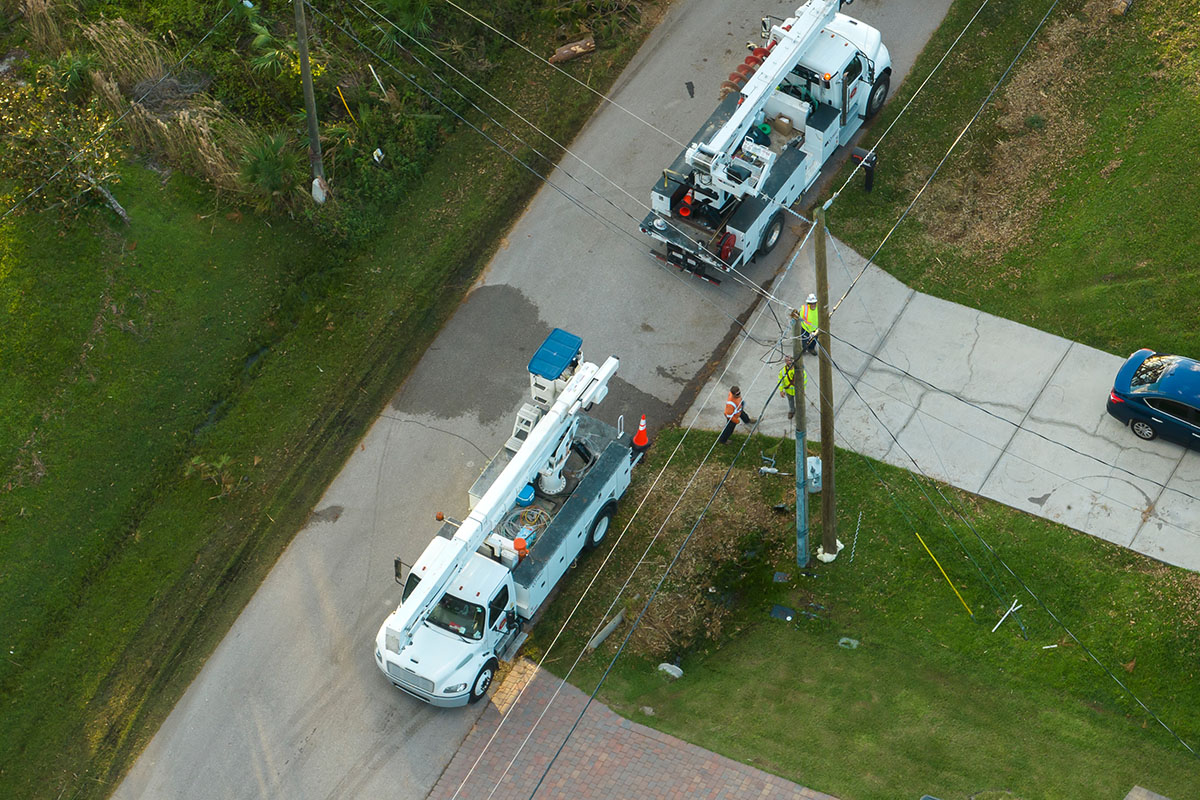
Hurricane Isaias became the Atlantic's first hurricane on October 7, the latest in the satellite era, days after Southern California's October heat warning. Risk plans built around a fixed season are preparing for the wrong months.
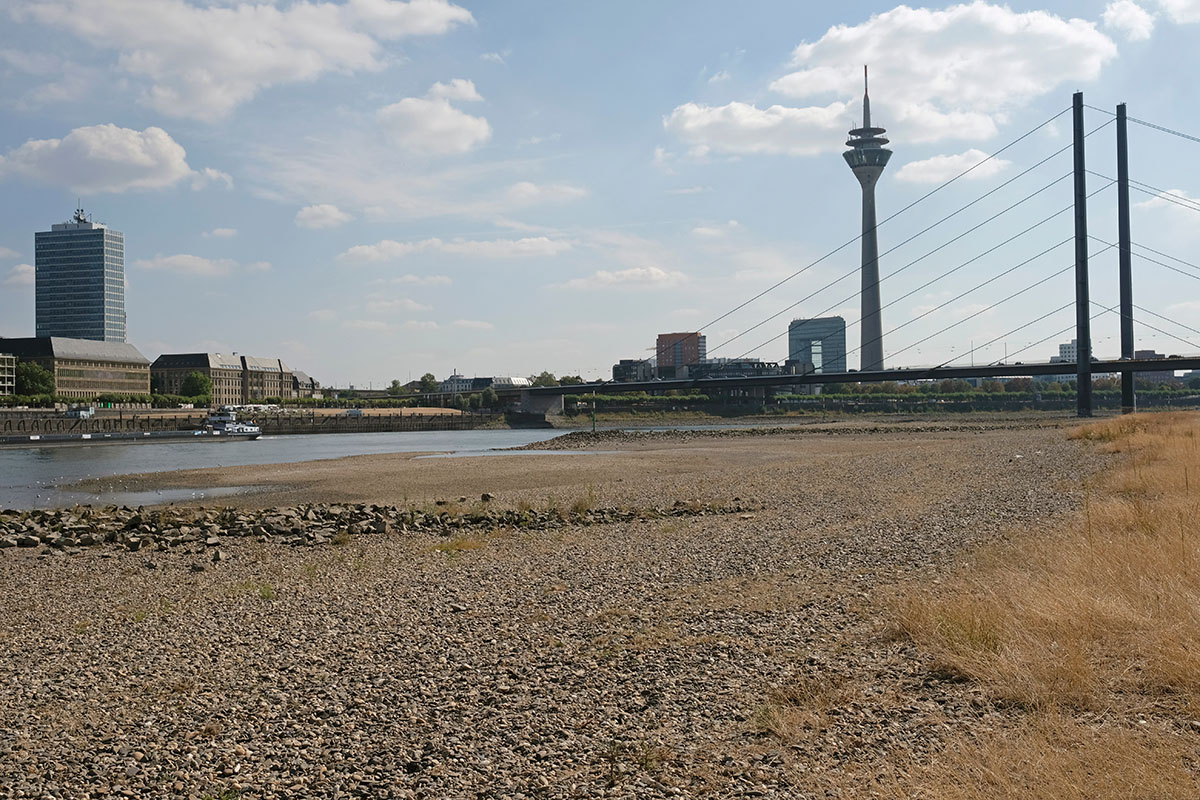
A key Rhine gauge fell to its lowest reading since 1880 and barges ran restricted for 74 days. English courts are signaling that weather this predictable may not count as force majeure, leaving the bill with whoever signed the contract.
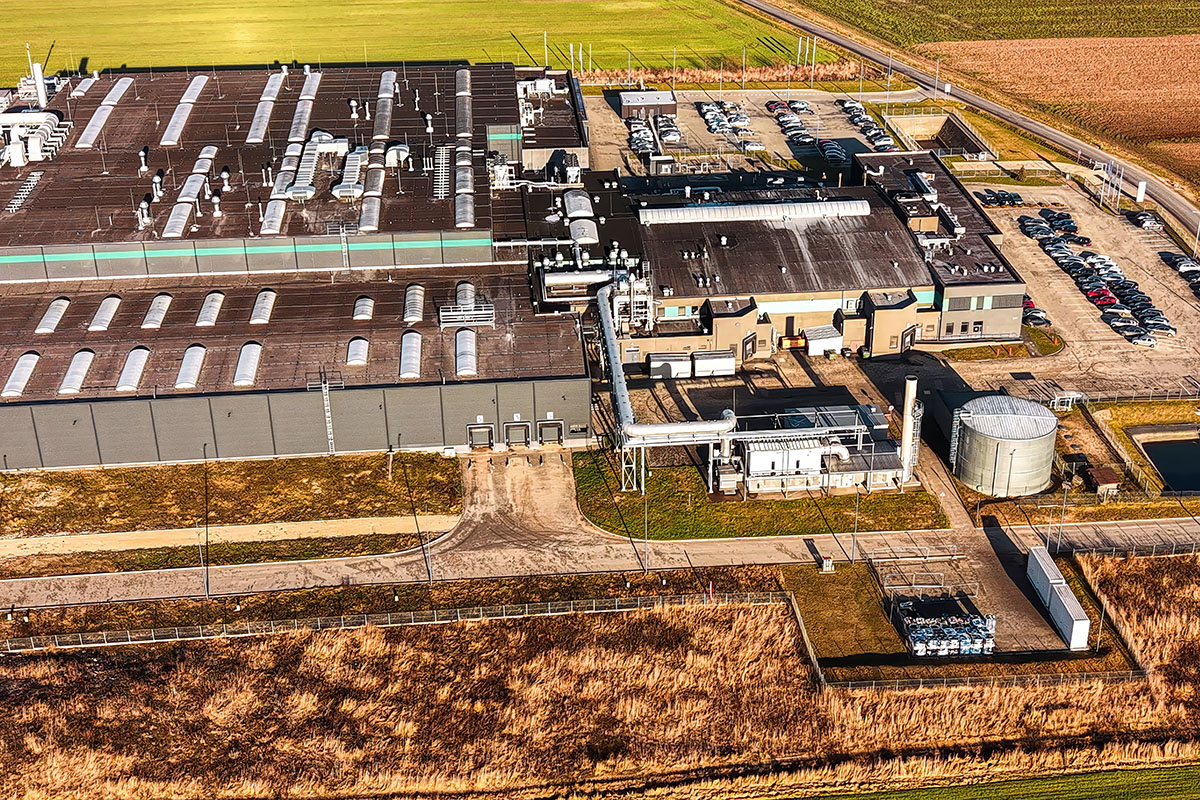
AWS pledged more than $1 billion over five years to data center host communities and will stop signing NDAs with government agencies. More than 100 local moratoriums and $130 billion in blocked or delayed projects explain why.
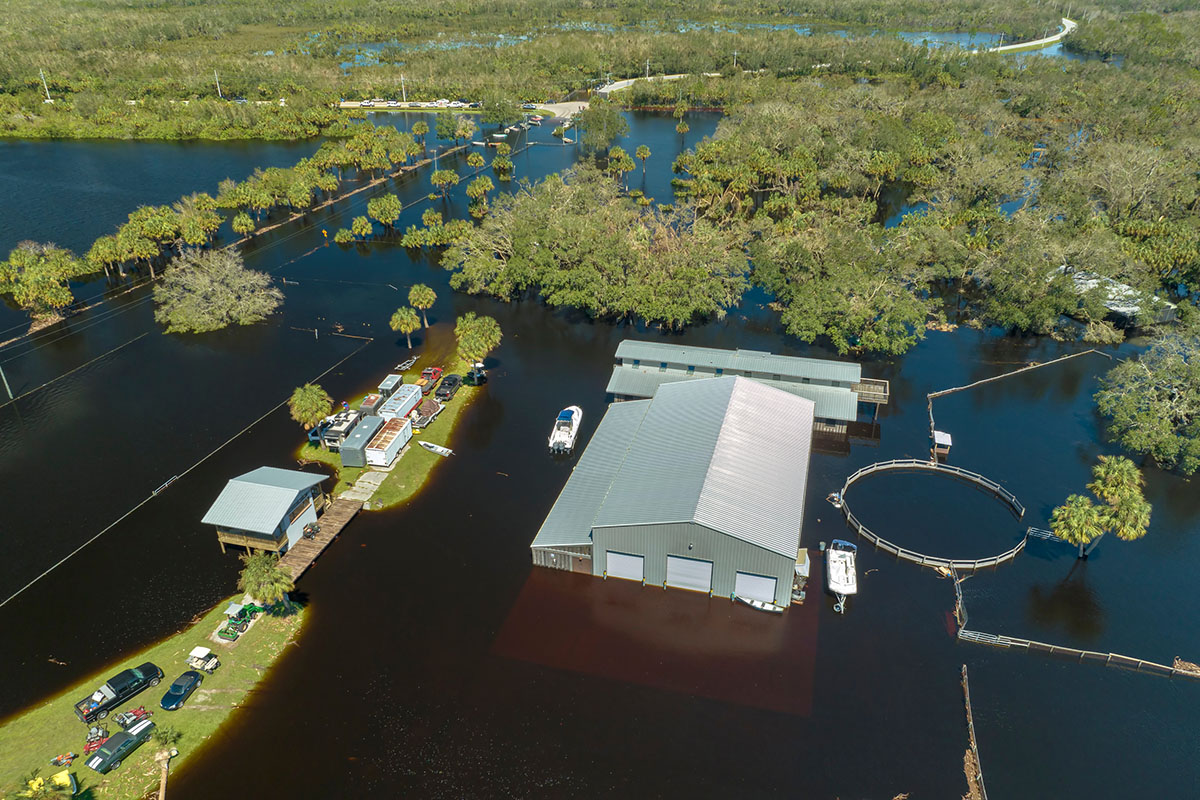
A Robeco survey finds 82 percent of investors expect physical climate risk to move asset prices within a decade. CDP data shows only 35 percent of companies treat extreme weather as a financially material risk.

The EU Deforestation Regulation applies to large and medium companies on December 30 with no third delay. A new IISD survey finds 74 percent of producers fear stricter rules will push farmers toward less regulated markets.

FEMA resilience grants dropped from $3.3 billion in 2022 to $726 million in 2025. The bill for flood and storm defenses is moving to states, cities and the businesses that depend on them.

NHTSA's final rule cuts the 2031 fleet target to 34.9 mpg and projects 4.6 percent more gasoline burned through 2050. For automakers, that fuel shows up in Scope 3, which California requires them to report starting in 2027.

OSHA now projects a final heat standard in October 2027. Seven states already enforce their own rules, and CSRD already requires large companies to disclose heat as a physical climate risk.
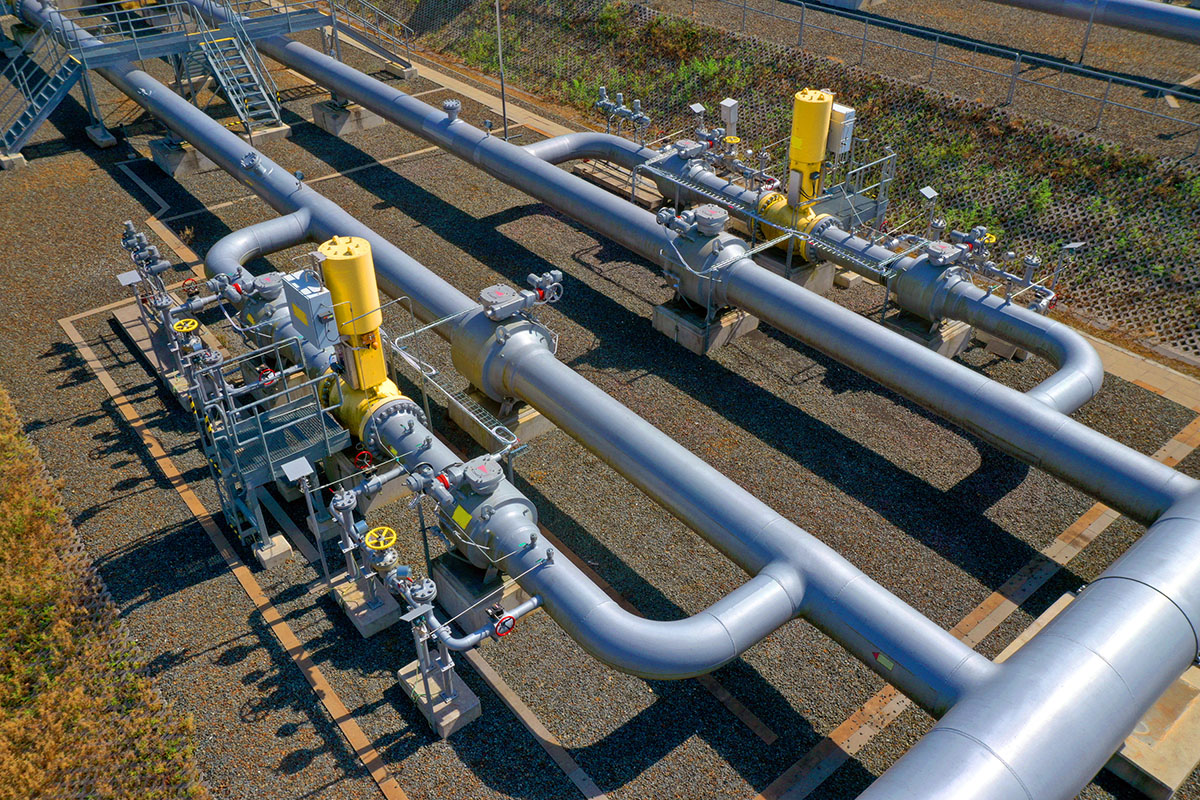
Brussels may push the January 2027 methane import deadline to 2028. The contract language that proves a supplier's emissions data has applied since August 2024, and fines can reach 20 percent of turnover.

An EcoVadis and Kearney analysis of 56,000 companies finds just 4 percent use primary supplier data for Scope 3, and weak inputs may understate footprints by up to threefold. The fix starts in the purchase contract.
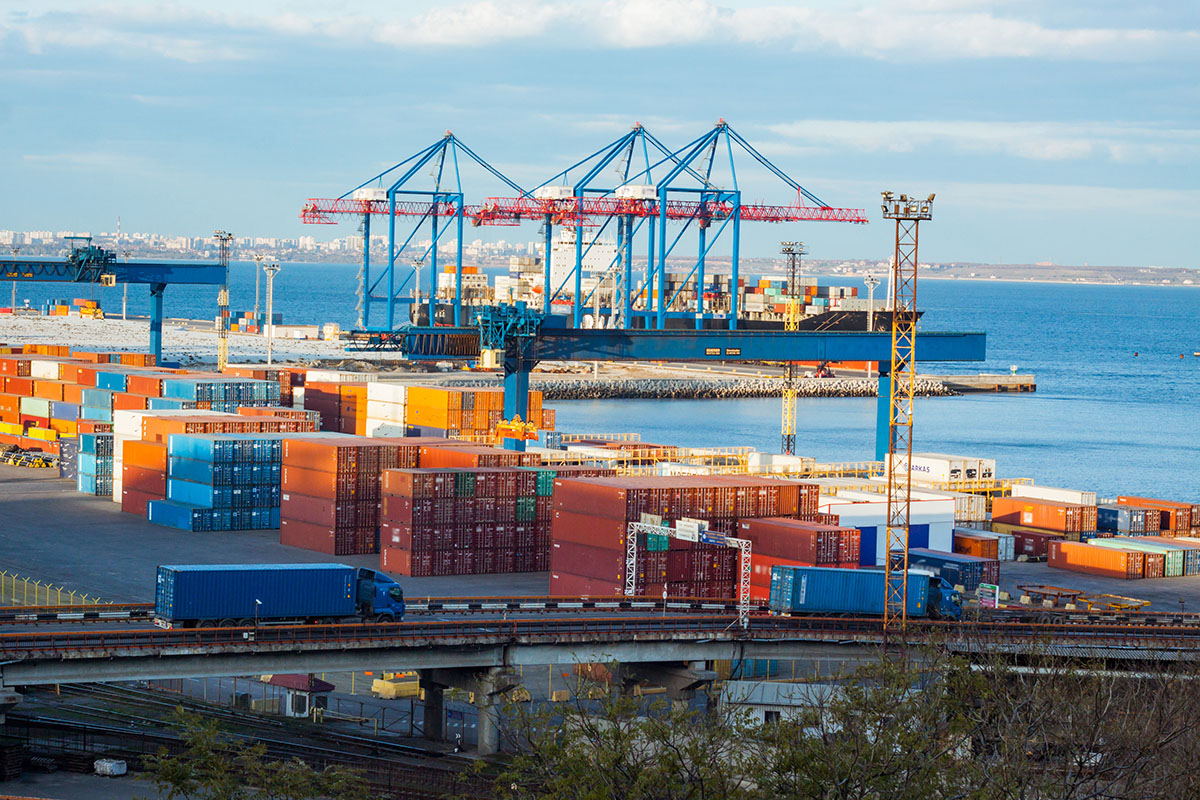
Capgemini's new survey finds 87 percent of large organizations have had climate-related supply chain disruption, yet just 15 percent have fully quantified the financial hit. The gap between spending and measurement is now the risk.
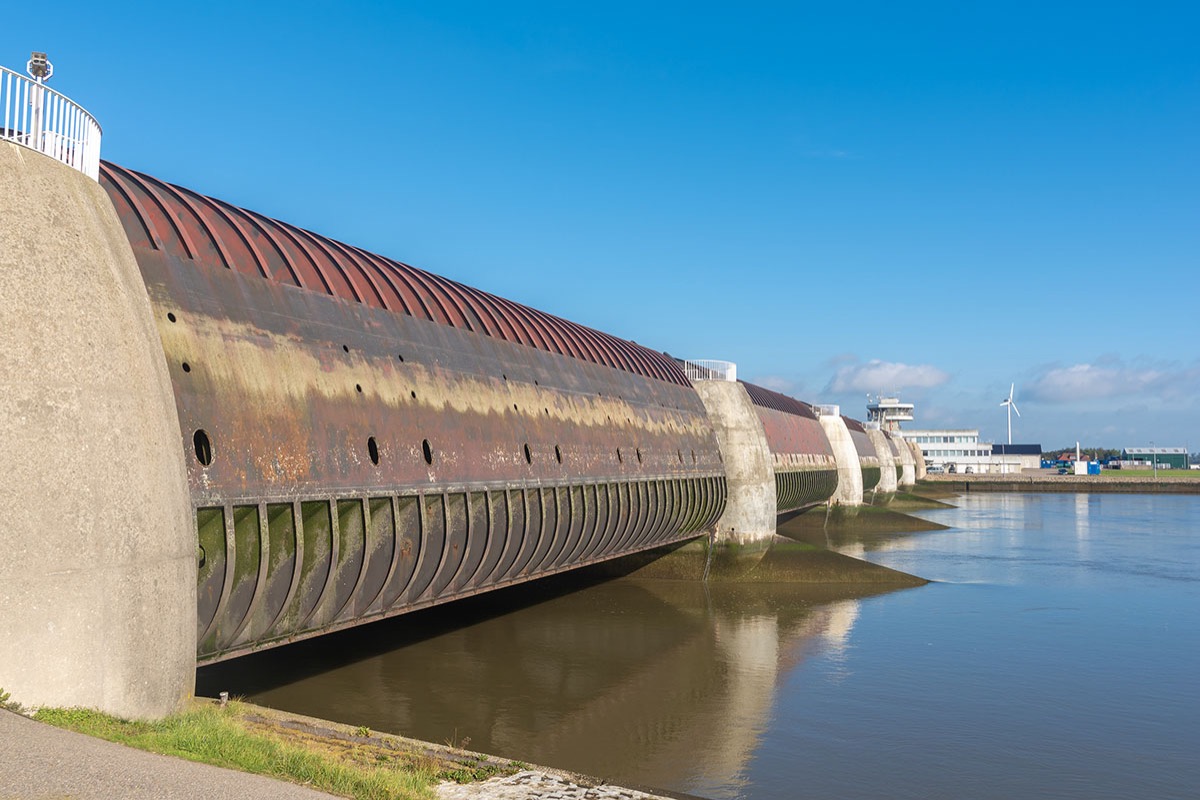
Schroders and CalPERS have built a framework to price adaptation as an investable market, and New York just sold its first ESG-labeled general obligation bonds. The money moving is still a fraction of what is needed.

CARB's first-year guidance lets companies file without assurance, reuse existing data, or submit a letterhead statement. Every filing will be public, and scope 3 and assurance arrive in 2027.

Brussels narrowed its due diligence law to the very largest companies. Its Forced Labour Regulation has no size threshold, reaches every tier of the supply chain, and applies from December 2027.

Brussels wants at least 30% of every public tender scored on quality, including environmental and social impact. For suppliers chasing a €2.5 trillion market, sustainability data is about to become bid-winning evidence.

Severe convective storms have quietly overtaken hurricanes as the costliest insured peril of the century. A below-trend first half of 2026 is the wrong signal for companies and cities deciding how much resilience to fund.

A new generation of AI tools promises to automate data collection, gap analysis, and narrative generation for ESG reports. We talked to the sustainability teams testing them for 18 months.

Most companies still struggle to account for Scope 3 emissions, yet regulators and investors are demanding more transparency than ever before.

After years of being treated as a communications function, sustainability leadership is earning genuine executive authority. We spoke with 12 CSOs about what changed, and what still needs to.

Shareholders are demanding director-level ownership of ESG risk, but new governance data reveals that most corporate boards lack the expertise and oversight mechanisms to deliver it.

Investors and regulators are pushing beyond tier-one suppliers and demanding visibility into the full value chain. Companies building robust labor monitoring systems are gaining a competitive edge.

The sustainable debt market reached a new milestone, but credibility gaps are widening. Investors are demanding stricter use-of-proceeds standards and independent verification before committing capital.

With major rating agencies producing wildly divergent scores for the same companies, a growing cohort of institutional investors is developing proprietary ESG assessment frameworks instead.

New longitudinal research links strategic community investment to measurable gains in employee retention, brand equity, and regulatory goodwill. We break down the data.

From small businesses to global enterprises, companies are racing to adopt dedicated carbon accounting tools. We put five leading platforms through a rigorous head-to-head evaluation.

When the sustainability champion leaves, progress often stalls. The organizations with the most durable ESG programs have embedded strategy into governance structures that outlast any individual leader.

The Corporate Sustainability Reporting Directive is reshaping global disclosure standards. U.S. companies with EU operations need a clear plan now. We spoke to the advisors guiding the largest transitions.

A new class of financial instruments is emerging to fund decarbonization in hard-to-abate industries. Here is what transition bonds, sustainability-linked loans, and blended finance look like in practice.

The gap between gathering ESG data and actually influencing executive strategy remains wide at most organizations. A handful of sustainability teams have cracked the code. Here is their approach.

Remote sensing technology is giving investors and supply chain teams unprecedented visibility into deforestation, methane leaks, and land use change in real time. Here is how it works in practice.

After years of controversy, the voluntary carbon market faces a crisis of credibility. Forward-thinking sustainability teams are building alternative net zero strategies.

With the deadline approaching fast, we analyzed sustainability commitments across 500 major corporations and found a widening gap between ambition and action.

As scrutiny of corporate diversity commitments intensifies, companies face pressure to back their pledges with rigorous, auditable data. We look at six organizations that got it right.

The SEC final rule on climate-related disclosures reshapes reporting obligations for public companies. We break down the key requirements, timelines, and compliance strategies.
Try a different search term or topic filter.
