A Robeco survey of 300 investors finds 82 percent expect physical climate risk to move asset prices within a decade. CDP data shows most companies still do not treat extreme weather as a financial risk, and almost none have priced the retreat of insurers.
Key Takeaways
For most of the last decade, climate commitments were a statement of intent: a net zero pledge, a target year, a page in the annual report. The world's large investors are now describing something different. They expect floods, storms and heat to show up in the price of the assets they own, and soon. The companies issuing those assets, on the evidence of their own disclosures, mostly have not caught up. That gap between how investors are pricing physical risk and how companies are reporting it is where the next round of capital decisions will be made.
Robeco's Global Climate Investing Survey, reported by ESG Today on October 7, canvassed 300 institutional and wholesale investors across Europe, North America, Asia-Pacific and South Africa, with combined assets of more than $35 trillion. Two thirds, 66 percent, expect physical climate risk to have a moderate or significant impact on asset prices over the next five years. Over ten years that rises to 82 percent, with 46 percent expecting the impact to be significant.
Those expectations are already reaching portfolio decisions. Sixty-three percent expect physical risk to affect strategic asset allocation within five years, 59 percent expect it to affect stock picking and 57 percent expect it to shape which asset managers they hire. Only 19 percent expect an orderly transition over the next decade, and 44 percent now consider the Paris Agreement's 2°C goal unachievable. The share of investors calling climate significant or central to investment policy is 47 percent, well below its 2022 peak of 75 percent, but the reason is not indifference. "Climate has moved from a stated ambition to a pricing question," said Lucian Peppelenbos, climate and biodiversity strategist at Robeco, adding that "physical risks are here now, not in a distant future."
The largest asset owners are studying the same question. A 2026 discussion note from Norges Bank Investment Management, which runs Norway's sovereign wealth fund, finds smaller but still negative potential impacts of physical climate risk on the equity market once known data problems in earlier research are corrected. It also flags "high model uncertainty." For corporate issuers, that uncertainty is the point: when investors cannot measure a risk precisely, they lean on what companies disclose about it.
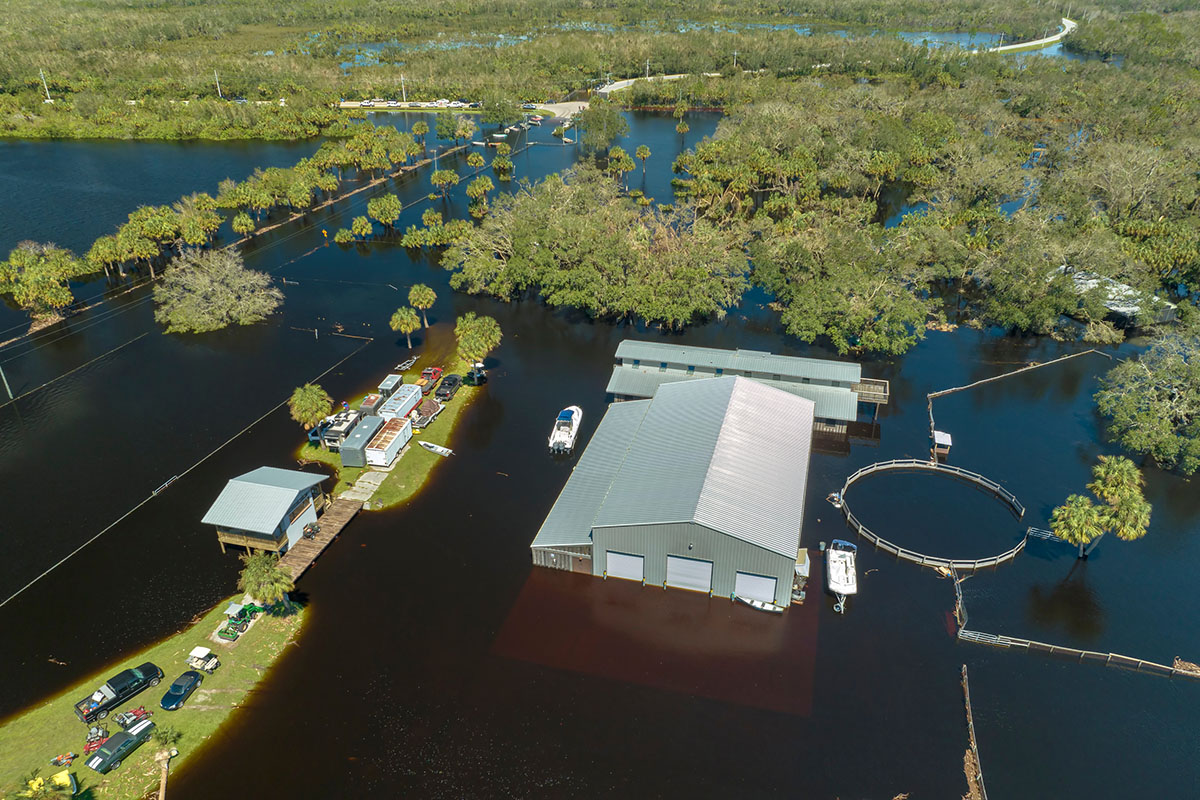
What companies disclose is thin. CDP's analysis of extreme weather risk, covered by ESG Today in May, drew on data from more than 11,000 companies and 1,005 cities, states and regions. Companies anticipate about $898 billion in losses from extreme weather. Flooding accounts for $528 billion, cyclones for $161 billion and heavy rain for $86 billion. The biggest drivers are lost revenue from reduced production capacity, at $326 billion, and asset impairment or early retirement, at $218 billion. Forty-eight percent of the events companies identified are expected within two years, well inside a normal planning cycle.
Yet only 35 percent of companies identify extreme weather as a financially material risk. The insurance picture is starker. Companies expect rising premiums to add only $3.3 billion to future costs, and less than 1 percent price in the possibility that insurers withdraw from high-risk areas altogether. "Extreme weather is already a financial risk," said Amir Sokolowski, CDP's global director of climate.
The economics argue for acting rather than waiting. CDP found the median cost of climate risk per company is $39.4 million, while the median cost of mitigating those same risks is $3.1 million, about 13 times less. Investors who expect physical risk to reach asset prices will reward the companies that can show that arithmetic, and discount the ones that cannot.
Regulators are moving in the same direction. On September 30, the European Insurance and Occupational Pensions Authority named extreme heat the leading climate-related liability risk for life and health insurers and occupational pension providers. Heatwaves have caused roughly 300,000 deaths in Europe since 2000, about 97 percent of deaths linked to extreme weather and climate events. EIOPA says current financial impacts are limited, but chair Petra Hielkema warned that heat "could become a material risk factor for certain insurance lines and pension providers." Workers' compensation, income protection and medical expense cover are among the most exposed lines, which puts heat squarely on employers' cost base.
Public balance sheets are absorbing the same pressure. In CDP's data, 62 percent of reporting cities, states and regions say they are already significantly affected by extreme weather, 46 percent cite budget constraints that limit adaptation, and more than 60 percent have at least one adaptation project that needs additional funding. CDP puts the adaptation investment gap at no less than $34 billion. When the roads, drainage and power that serve a corporate site depend on an unfunded project, that exposure belongs in the company's own risk picture.
California's SB 261 was written for exactly this gap. It requires US companies doing business in California with annual revenues over $500 million to publish a biennial report on their climate-related financial risks and how they plan to address them. A Ninth Circuit order enjoined enforcement on November 18, 2025, pending a business-group appeal. A paused deadline does not pause the demand behind it: investors are building physical risk into allocation and stock selection now, with or without a statutory filing. Companies that can show their exposure and their mitigation in the same place will be the ones priced on facts rather than assumptions. The playbook looks like this:
Investors have stopped asking whether climate risk is real and started asking what it is worth. Most companies have not yet answered that question in their own disclosures, and the ones that do so first will set the terms on which the rest are judged.

Report
CDP puts the median company's climate risk at $39.4 million against $3.1 million to mitigate it. This report gives operations and security leaders the ROI framework and data points to make that case for resilience investment.
Download

Report
SB 261 asks large companies to publish the climate-related financial risk analysis investors now say they price. This report explains what SB 253 and SB 261 require, who is covered and how to approach the data work.
Download

Report
More than 60 percent of cities, states and regions reporting to CDP have an adaptation project waiting on funding. This report shows how public sector teams manage grants today and what the highest-performing agencies do differently.
Download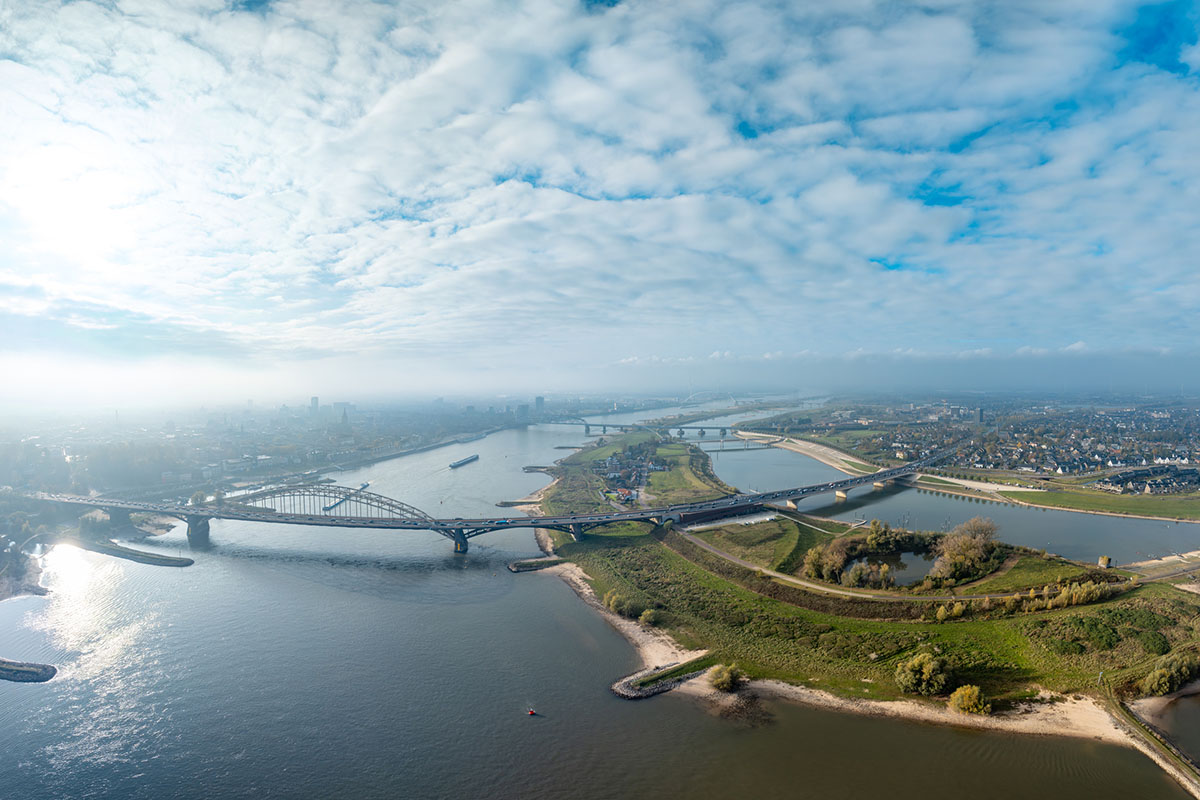
FEMA resilience grants dropped from $3.3 billion in 2022 to $726 million in 2025. The bill for flood and storm defenses is moving to states, cities and the businesses that depend on them.
Schroders and CalPERS have built a framework to price adaptation as an investable market, and New York just sold its first ESG-labeled general obligation bonds. The money moving is still a fraction of what is needed.
