Capgemini's new survey finds 87 percent of large organizations have had climate-related supply chain disruption, yet just 15 percent have fully quantified the financial hit. The gap between spending and measurement is now the risk.
Key Takeaways
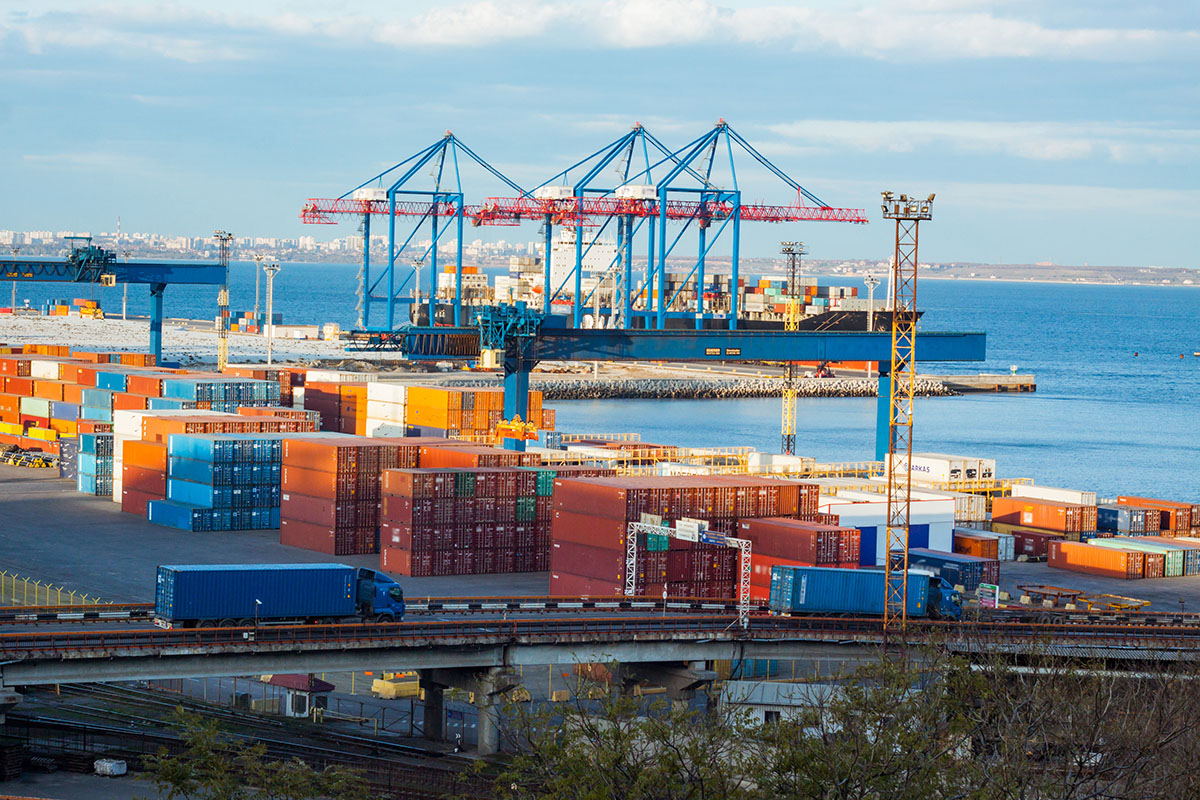
For years, physical climate risk lived in the risk register as a someday problem. Capgemini Research Institute's latest survey says someday has arrived: nearly nine in ten large organizations have already had a supply chain disrupted by climate. The harder finding is what happens next. Most of those companies cannot say what the disruption cost them, which means they cannot say what to defend, insure or renegotiate.
The report, A World in Balance 2026: The Resilience Reset, draws on a June and July survey of 2,100 senior executives at 701 organizations in 13 countries, all with at least $1 billion in revenue. Among them, 87 percent report climate-related supply chain disruption, 84 percent have experienced raw material scarcity and 82 percent are carrying higher operating costs.
The measurement picture is far weaker. According to Capgemini's September 16 announcement, just 15 percent of organizations have fully quantified the financial impact of these risks. Another 40 percent have done so only partially, and 35 percent have not tried. Cyril Garcia, the firm's Global Head of Sustainability Services, described the mismatch directly: "Climate change disruptions have become our new normal, and yet there is still a wide gap between business leaders' awareness of the risks and actual implementation."
Money is moving anyway. The share of executives who prioritize climate adaptation rose to 68 percent from 56 percent last year, and 83 percent expect to increase climate spending over the next 12 to 18 months. Budgets are being committed ahead of the numbers that would tell finance teams whether the spending is aimed at the right exposures.
Part of the problem is reach. Only just over one in four organizations has assessed climate risks across its extended value chain, and the share measuring Scope 3 emissions fell to 34 percent from 54 percent in 2025, per the same announcement. Those are the suppliers, and the suppliers' suppliers, where a flood, a drought or a heat wave actually interrupts production.
Supplier-data specialists see the same pattern from the ground. In its 2026 due diligence outlook, Sedex notes that the most severe risks often sit beyond direct suppliers, and that leading companies are extending risk-based mapping to indirect tiers. It also observes that sites with environmental non-compliance often show weaknesses in health and safety and labor management too, a reminder that climate exposure rarely travels alone.
Water is where the strain is showing first. Some 61 percent of executives expect water scarcity to constrain growth more than energy availability within five years, and over seven in ten now put access to critical resources ahead of emissions targets. The shift has a cost on the decarbonization side: 29 percent of organizations have postponed net zero objectives, up from 8 percent, and 11 percent say they are falling behind, up from 1 percent.
Knowing a supplier is exposed is only useful if the agreement gives the buyer something to act on. Lawyers at Charles Russell Speechlys, writing on ESG change in supply chain contracts, recommend building in audit rights, record keeping, progress updates, timely notification of compliance issues and continuous improvement targets. They also advise anchoring those terms in the UN Guiding Principles and OECD Guidelines rather than in any single regulation, so the contract holds up while the rules keep moving. The EU Forced Labour Regulation, due in 2027, is one more reason to get those foundations right.
The same clause architecture can carry climate resilience. Notification duties, site-level data and continuity obligations turn a supplier's exposure from a surprise into an early warning, and give procurement a basis for renegotiating when a disruption hits. Companies that price the damage first will know which contracts deserve that attention.
The organizations closing the gap between spending and measurement are working through a practical list:
Climate disruption is no longer a forecast, and the survey suggests most large companies know it. The advantage now belongs to the ones that can put a number on it, because only a measured loss can be managed, insured or contracted away.

Guide
Pricing climate disruption starts with a business case for resilience. This guide lays out the measurable ROI organizations achieve with resilience platforms, plus the data points needed to justify the spend.
Download

Guide
Cost shocks from tariffs and from weather reach the bottom line the same way, through supplier agreements. See how enterprises find exposure fast, enforce protective clauses and renegotiate terms before costs flow through.
Download

Guide
With only one in four companies assessing climate risk beyond their own walls, periodic audits are not enough. This guide shows how leaders are moving to continuous, data-driven supplier programs.
Download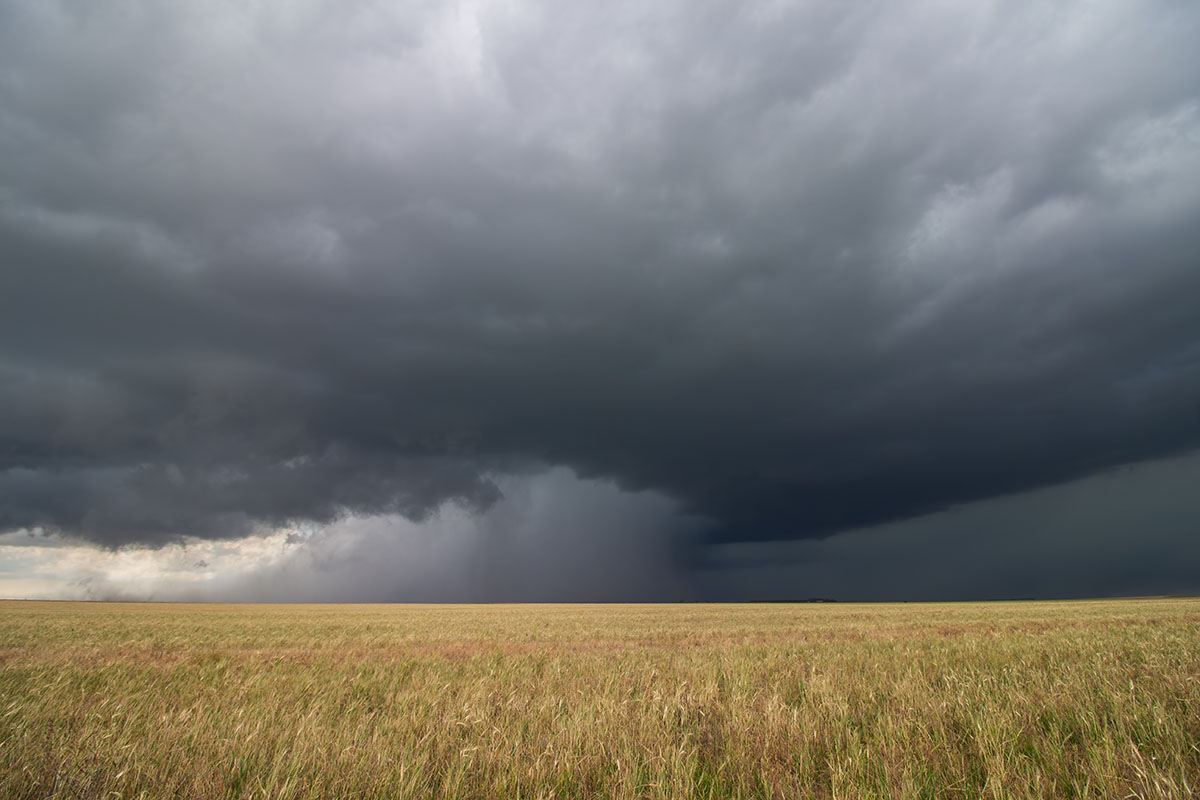
Severe convective storms have overtaken hurricanes as the costliest insured peril of the century. A below-trend first half of 2026 is the wrong signal for companies and cities deciding how much resilience to fund.
Most companies still struggle to account for Scope 3 emissions, yet regulators and investors are demanding more transparency than ever before. The organisations closing that gap are building a durable competitive advantage.
