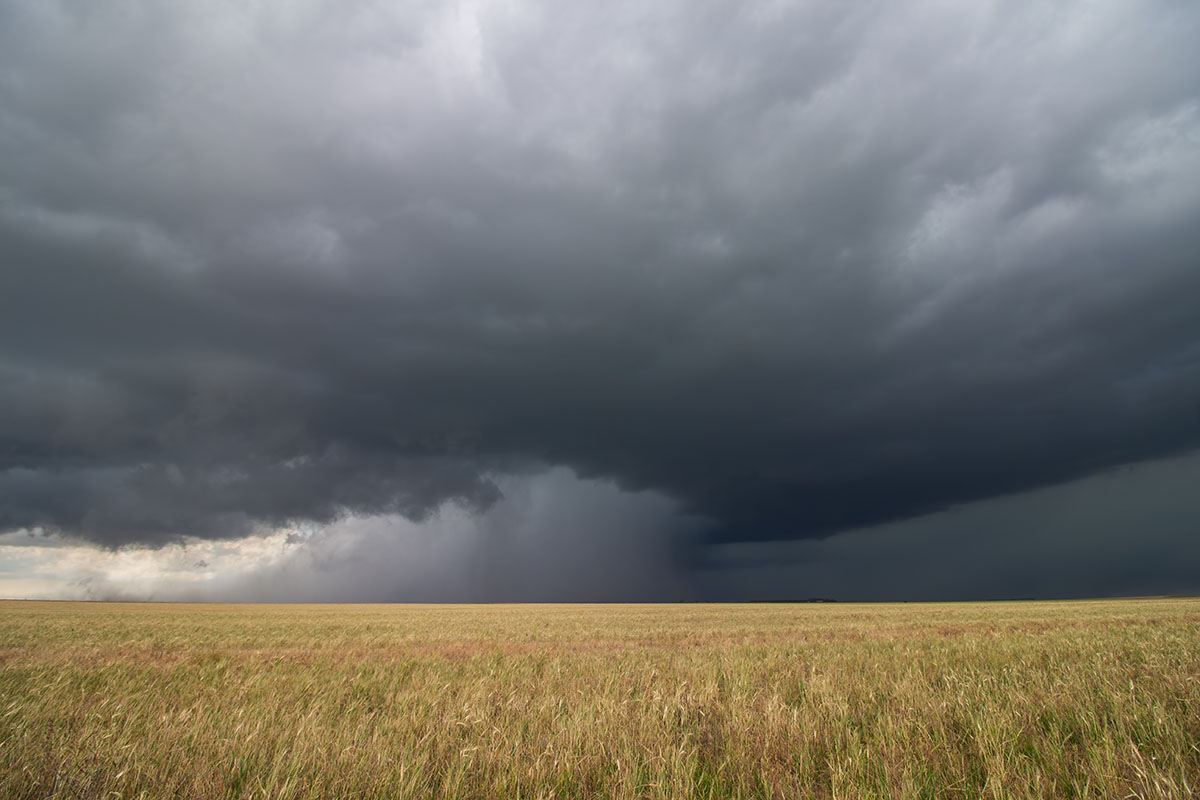
Severe convective storms have overtaken hurricanes as the costliest insured peril of the century. A below-trend first half of 2026 is the wrong signal for companies and cities deciding how much resilience to fund.
Key Takeaways
By the numbers, 2026 has been a gentle year for catastrophe losses. That is exactly what makes it dangerous. The hazard that now costs insurers more than any other is not the hurricane that dominates boardroom scenario planning, but the hail, tornado and straight-line wind outbreaks that arrive dozens of times a season, rarely make international headlines, and are almost never modeled with the same seriousness. A quiet first half is tempting evidence that physical climate risk can wait for next year's budget. The data says otherwise.
In its 2026 Climate and Catastrophe Insight, Aon concluded that severe convective storms have overtaken tropical cyclones as the costliest insured peril of the 21st century. Storms generated $61 billion in global insured losses in 2025, the third-highest total on record, within a year of $127 billion in overall insured losses. That was the sixth consecutive year above the $100 billion mark, and the United States accounted for 81 percent of the global insured total. Aon's own framing is blunt: "Resilience today must be both physical and financial."
The exposure behind those losses is enormous and widely distributed. A Claims Journal analysis published September 16 puts cumulative global storm losses since 2000 at $1.56 trillion and reports that more than 43.5 million US properties sit in moderate or greater hail risk, carrying $17.8 trillion in reconstruction cost value. The US recorded 142 days with hail of two inches or larger in 2025, against a 20-year average of 122. Texas alone carries roughly $3.1 trillion of hail-exposed reconstruction value, and the greater Chicago area about $1 trillion.
There is an uncomfortable twist for sustainability teams. The same analysis reports that hail has caused more than $600 million in losses to solar photovoltaic assets in Texas since 2018, including a single $70 to $80 million event at one facility in 2019. The clean energy infrastructure that anchors many transition plans is itself squarely in the path of the costliest insured peril.
Swiss Re Institute estimates that global insured natural catastrophe losses reached $42 billion in the first half of 2026, the lowest first-half result since 2020 and 16 percent below the 10-year average. Read the detail, though, and the picture changes. Severe convective storms were still the single largest source of losses at $28 billion, and the reinsurer points to growing exposure in hazard-prone areas and rising reconstruction costs as the long-term drivers. Historically, the second half of the year accounts for 58 percent of annual insured catastrophe losses.
Gallagher Re's mid-year tally, reported by Artemis, showed US storm insured losses passing $22 billion by June 18, making 2026 the 11th straight year above $20 billion. The first 17 days of June alone produced 3,590 damaging weather reports across 43 states and the District of Columbia. A below-average year, in other words, is now a year that still clears a threshold that would have been extraordinary a decade ago.
The hurricane outlook adds a second layer of false comfort. Risk & Insurance reports that NOAA declared El Niño's arrival in June, with a better than 81 percent probability of a very strong event by year end, which tends to suppress Atlantic activity. But modeling cited in the same piece shows the risk redistributing rather than disappearing: landfall odds fall for Texas and Louisiana while rising for New Jersey and Delaware. Portfolios that assume a quiet season everywhere are reading a regional shift as a national reprieve.
Municipal governments sit at the sharp end of this. As Clark University researchers argued in late August, cities have leaned on temporary federal grants to fund resilience work, and that money is becoming scarcer. The researchers point to FEMA's finding that every dollar spent on hazard mitigation saves six dollars in future costs, and note that Massachusetts alone has identified $90 to $130 billion in needed climate investment. Melissa Hoffer, the state's chief climate officer, put the constraint plainly: "There will never be enough public dollars."
For companies, that matters directly. The roads, power lines and emergency services a business depends on during a storm are financed by those same stretched budgets, which means municipal fiscal resilience is part of corporate operational resilience.
Regulation is only partly pushing companies to confront this. California's SB 261, which requires climate-related financial risk reports, has been on hold since the Ninth Circuit granted an injunction in November 2025, and according to PwC, CARB has said it will set an alternate date once the appeal is resolved. SB 253's first scope 1 and scope 2 emissions reports, meanwhile, are due November 10, 2026. Companies that treat the SB 261 pause as permission to shelve physical risk analysis will find themselves rebuilding it under deadline pressure later.
The organizations best placed for the rest of 2026 are acting on the trend rather than the year. Their playbook looks like this:
A quiet half-year is a gift of time, not a change in the underlying risk. The companies and cities that use it to invest in resilience will be the ones still standing, financially and physically, when the storm season that follows is not so forgiving.

Guide
When storm seasons arrive as weeks of near-daily outbreaks, continuity depends on staying connected. This guide covers the communication systems, situational awareness tools, and response protocols that keep organizations operating when severe weather hits.
Download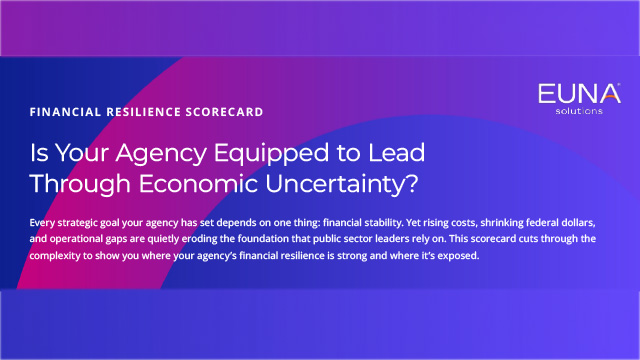

Scorecard
As federal resilience grants recede, public sector finance teams have to fund storm hardening from their own budgets. This self-assessment helps them benchmark financial resilience and pinpoint where investment matters most.
Download

Guide
With SB 253 reports due November 10 and SB 261 climate risk reporting only paused, not repealed, this starter kit helps companies doing business in California build a credible 90-day action plan.
Download
Most companies still struggle to account for Scope 3 emissions, yet regulators and investors are demanding more transparency than ever before. The organisations closing that gap are building a durable competitive advantage.

After years of controversy, the voluntary carbon market faces a crisis of credibility. Forward-thinking sustainability teams are building alternative net zero strategies that do not rely on offsets.

With the deadline approaching fast, we analyzed sustainability commitments across 500 major corporations and found a widening gap between ambition and action. Only 14 percent have credible, audited pathways to meet their stated goals.
