Hurricane Isaias became the Atlantic's first hurricane on October 7, the latest in the satellite era, days after Southern California went under an October extreme heat warning. Risk plans built around a fixed season are preparing for the wrong months.
Key Takeaways
For most US companies, climate risk still runs on a calendar. Hurricane drills happen in May, heat programs wind down after Labor Day, and the continuity binder gets shelved in November. This month broke that calendar from both ends. The Atlantic produced its first hurricane in October for the first time in the modern record, and it made landfall on the Gulf Coast less than a week after California told employers to brace for triple-digit heat. A quiet season did not mean less risk. It meant the risk arrived when fewer people were watching.
Isaias was upgraded to a hurricane on the night of October 7. According to weather.com, the previous record wait in the 60-year satellite era ended on September 11, in both 2002 and 2013, so 2026 beat it by almost a month. It was also the first season without a hurricane in September, normally the peak. Senior meteorologist Jonathan Erdman put it plainly: "In the 60-year modern era, never have we waited until October for the first Atlantic Basin hurricane until 2026." Forecasters attribute the delay to an intensifying super El Niño, which loaded the tropical Atlantic with wind shear and dry, sinking air.
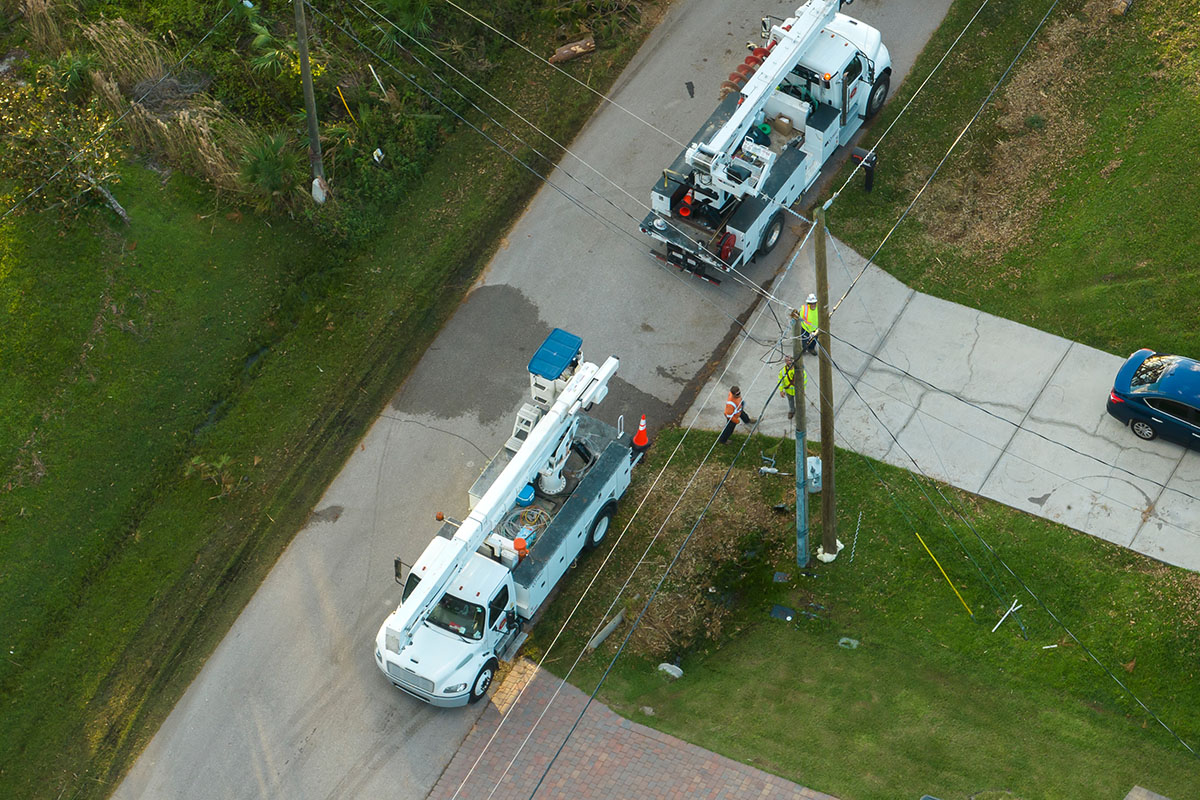
The quiet ended abruptly. CBS News reports that Isaias briefly reached Category 3 on Friday, October 9, then came ashore near Destin, Florida, at about 8 p.m. Eastern as a Category 2, with a 112 mph gust measured at Santa Rosa Sound. More than 697,000 customers were without power across Florida, Alabama and Georgia, tens of thousands of people evacuated, and Alabama closed government buildings in nine counties. In Orange Beach, what should have been a busy tourist weekend left the town largely empty.
The damage reached infrastructure that businesses depend on. Al Jazeera reports at least four deaths, winds that damaged the airport in Pensacola and tore the roof off a hotel, and about 440,000 customers still without electricity on Saturday night. The Energy Department said it would release up to four million barrels from the Strategic Petroleum Reserve to help keep refineries running. Florida Governor Ron DeSantis warned that "the flooding story is not over," with saturated ground able to flood a day or two after the storm had passed.
On the other side of the country, the hazard was heat. On October 2, Cal/OSHA issued an advisory ahead of an extreme heat warning for the Los Angeles and San Diego regions that ran through October 8, with temperatures forecast in the mid-90s on the coast and up to 107 in the valleys. The rules do not pause for autumn. Indoor workplaces such as warehouses and manufacturing sites must act once temperatures reach 82 degrees, outdoor sites need shade above 80 degrees, and agriculture, construction, landscaping and heavy transport face extra high-heat duties at 95 degrees. Every employer must keep a written prevention plan and train supervisors to spot heat illness.
The human cost of heat is also larger than official workplace data shows. A research letter in JAMA, summarized by AJMC, identified 2,035 heat-related deaths among US adults aged 16 to 64 from 2021 to 2023. Rates in construction and extraction occupations, and in farming, fishing and forestry, were 1.1 per 100,000, more than three times the national rate of 0.3. The Census of Fatal Occupational Injuries recorded only 55 heat-related deaths in 2023, because it counts traumatic workplace injuries and leaves out illness-related causes such as heart attacks. The authors conclude that federal surveillance "may undercount this burden."
Calm stretches tempt boards to trim budgets, and the insurance data says that is a mistake. Verisk's 2026 global modeled loss report, covered by Risk & Insurance, puts the insured average annual loss at $171 billion, up from $59 billion when the firm first published the figure. Its estimate of a 1-in-100-year loss year has climbed from $285 billion in 2021 to $477 billion, and demand surge alone, the spike in labor and material costs after a disaster, adds $15.7 billion to the annual average. In 2025 no hurricane made US continental landfall for the first time in a decade, yet losses still topped $100 billion for a sixth straight year. Rob Newbold, president of Verisk Catastrophe and Risk Solutions, warned that "a quiet hurricane season can lead markets to respond as if risk has eased."
For sustainability and risk leaders, the lesson of the past two weeks is that physical climate risk no longer respects the dates on a planning template. Exposure that is modeled, disclosed and budgeted by season will be underweighted in exactly the months when hazards are starting to cluster:
The 2026 Atlantic season could still end with a single hurricane, the fewest of the satellite era. That will look like good news in a year-end summary. The companies that read it correctly will note that the one storm came in October, after the plans had been filed.


Report
When a hurricane lands in October, the organizations that cope are the ones whose crisis response does not depend on the calendar. This report examines what separates them and the technology investments behind them.
Download

Scorecard
Storms like Isaias close government buildings and strain the airports, roads and utilities that local budgets maintain. This self-assessment helps public finance teams benchmark how ready their balance sheet is for the next one.
Download

Report
State heat rules like California's now apply in October, not just July. This analysis tracks the enforcement priorities and sustainability requirements reshaping EHS compliance for multi-site operations.
Download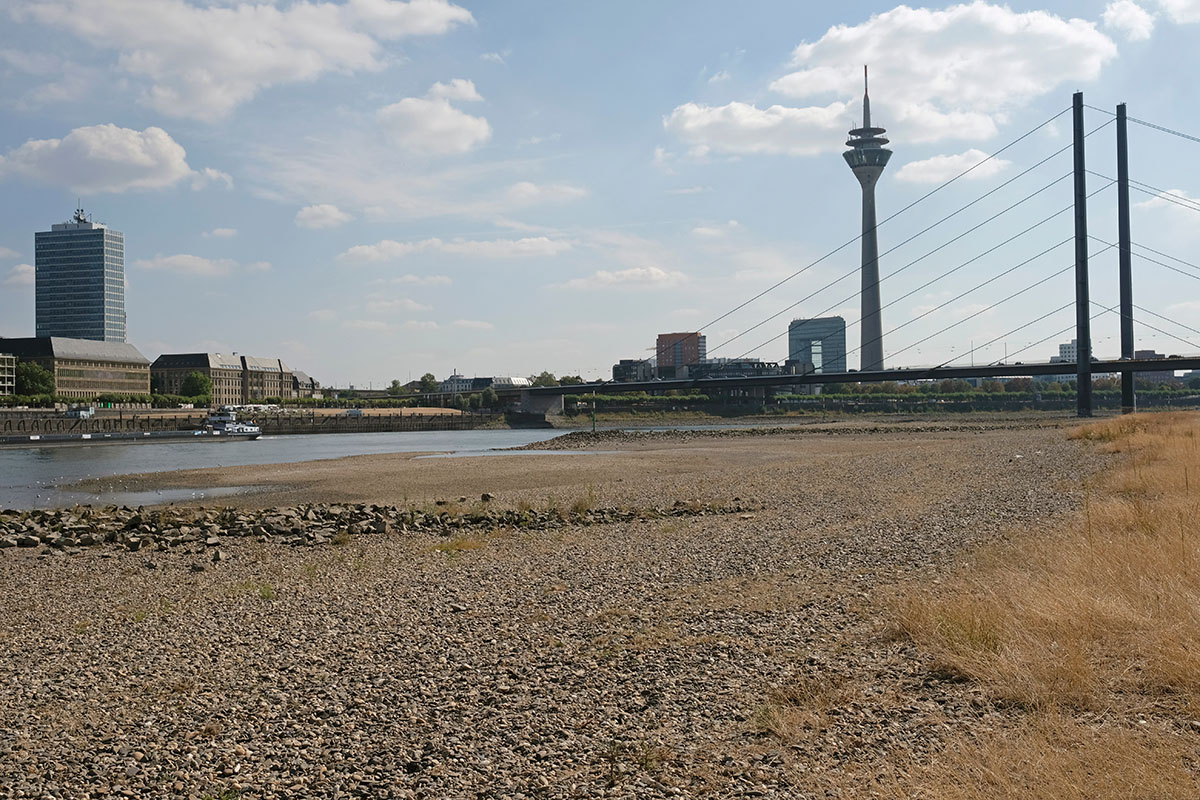
A key Rhine gauge fell to its lowest reading since 1880 and barges ran restricted for 74 days. English courts are signaling that weather this predictable may not count as force majeure, leaving the bill with whoever signed the contract.
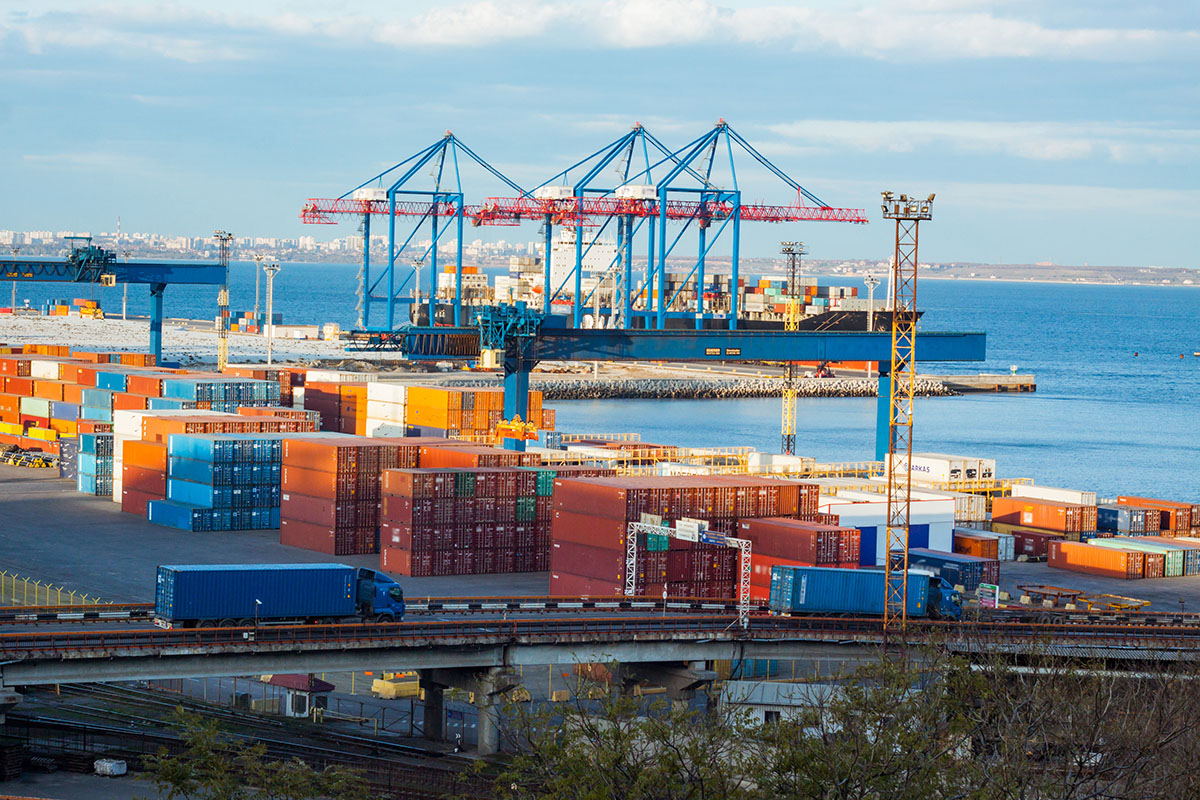
Capgemini's new survey finds 87 percent of large organizations have had climate-related supply chain disruption, yet just 15 percent have fully quantified the financial hit. The gap between spending and measurement is now the risk.
