After two postponements, Brussels says there will be no third. A new IISD survey suggests the bigger risk for buyers is not the deadline but the farmers who may quietly leave their supply chains.
Key Takeaways
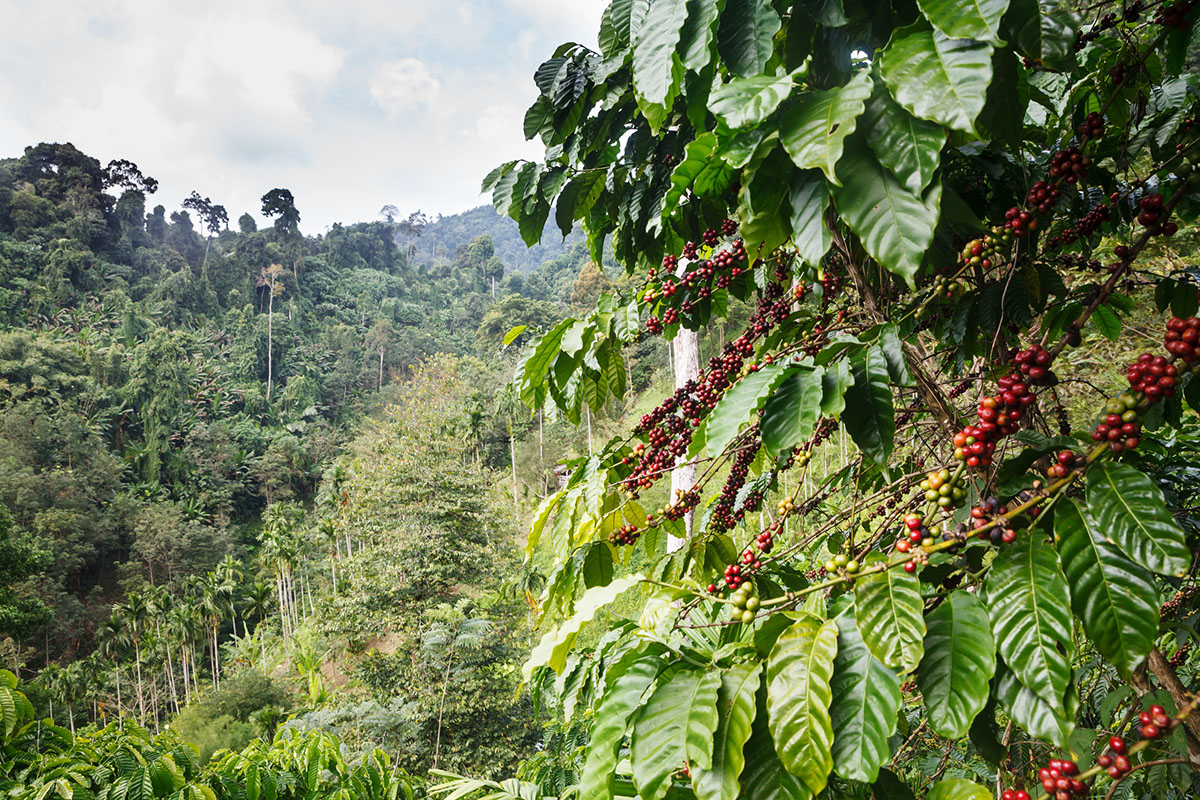
For three years the EU Deforestation Regulation has been the law that kept not arriving. It entered into force in 2023, was pushed back in 2024, pushed back again in 2025, and spent most of this year being simplified. That pattern has taught many companies to treat each new date as provisional. This one probably is not. Large and medium companies that place cattle, cocoa, coffee, palm oil, rubber, soy or wood products on the EU market must comply from December 30, twelve weeks from now. And the hardest problem left is not whether Brussels will hold the line. It is whether the smallholder farmers who grow much of the world's cocoa and coffee can stay in the supply chains the regulation is meant to clean.
On May 4 the European Commission published a simplification package that, as one law firm's summary of the package sets out, confirmed there will be no third extension and that the core legal text will not be reopened. The Commission expects the revised rules to cut annual compliance costs by about 75 percent compared with the original version. Smaller operators sourcing only from low-risk countries get lighter obligations, and downstream companies can rely on reference numbers passed down the chain rather than repeating due diligence themselves.
The machinery is also in place. In July the Commission adopted an updated product scope and new rules for the EUDR Information System, which reopened at the end of June with simplified declarations for micro and small primary operators and updated specifications for automated APIs. The scope change removed items such as leather, retreaded tyres and vehicle seats, and added soluble coffee and certain palm oil derivatives from December 2027, without changing the list of covered commodities. The Commission's training calendar has sessions for upstream operators on October 6, 13 and 22, which is not what a regulator planning another delay looks like.
Pressure has not stopped. FoodNavigator reports that the US ambassador to the EU has attacked the law as overregulation, and that Global Witness documented Mondelēz lobbying governments and conservative MEPs to weaken it, while Barry Callebaut and Ferrero have backed it. A barrister interviewed there judged implementation in December more likely than another delay, and a campaigner at the forest NGO Fern called further simplification unlikely. As World Resources Institute's Tina Schneider put it, "Moving the goalposts again would undermine confidence in the regulatory process."
What the rule demands is evidence. Under the supplier data requirements laid out by EvaluationsHub, operators need product descriptions, quantities, country of production, geolocation for every plot where the commodity was grown (for cattle, every establishment where the animals were kept), and evidence of legal production covering land rights, environmental rules, labor, tax and customs. Records must be kept for five years. Penalties are set nationally, but maximum fines must reach at least 4 percent of total annual EU turnover, alongside confiscation, temporary exclusion from public procurement and bans on placing the products on the market.
Enforcement intensity follows geography. When the Commission published its country benchmarking, it set annual checks at 1 percent of operators for low-risk countries, 3 percent for standard risk and 9 percent for high risk, according to the European Rubber Journal, with Belarus, North Korea, Myanmar and Russia classed as high risk. Low-risk sourcing removes the full risk assessment, but not the obligation to collect the information.
That information starts on farms that often have little paperwork. A new report from the International Institute for Sustainable Development, covered by Daily Coffee News, surveyed and interviewed 333 farmers and producer groups across 16 countries. The authors caution that the sample is uneven and not statistically representative, but the direction is hard to miss: 74 percent said stricter compliance requirements could push farmers toward less regulated markets, and 79 percent of coffee respondents said so. Asked what help they need, 84 percent cited government policies and programs, 78 percent financial assistance, 74 percent training and 71 percent better information. The barriers they named were land documentation, compliance costs, traceability and technical capacity.
Collecting the data is not the same as having usable data. In Côte d'Ivoire's Cavally region, a study by Meridia with support from the Rabo Foundation found that roughly 30 percent of farm plot data collected on the ground was not reliable enough for EUDR standards, as Meridia reports. A buyer with a complete-looking dataset may still be holding a due diligence statement built on coordinates that will not survive a check.
The easy response to a hard-to-document supplier is to drop it. That looks like compliance, but it carries three costs. It shrinks the supply base for commodities that are already volatile. It moves the excluded volume to markets with fewer questions, which does nothing for the forests the law exists to protect. And it creates a social impact problem that sits uneasily beside the EU Forced Labour Regulation and broader due diligence expectations, which run in parallel with the EUDR. The IISD authors argue for a shared-responsibility approach, and their respondents' answers point to where that sharing would happen: money, training and help with land documentation.
For buyers, that means the work is commercial as much as technical. Who pays for plot mapping, who owns the data, how often it is refreshed and what happens when a plot fails a check are contract questions. Companies that settle them in supply agreements now, rather than in an emergency in January, will keep more of their suppliers and more of their volume.

Guide
The EUDR is one of several due diligence laws that now run side by side, from forced labor to deforestation. This walkthrough shows how a shared supplier data platform helps buyers meet those overlapping obligations without asking farms and suppliers for the same evidence twice.
Download

Guide
Risk assessment and mitigation are the core of EUDR due diligence for anything sourced outside low-risk countries. Enhesa's framework for identifying, assessing and reducing risk across global supply chains maps directly onto that duty.
Download

Guide
Who pays for plot mapping and traceability premiums is decided in supplier agreements. This guide shows how AI contract analysis surfaces and enforces those terms across large supplier portfolios, so compliance costs land where the contract says they should.
Download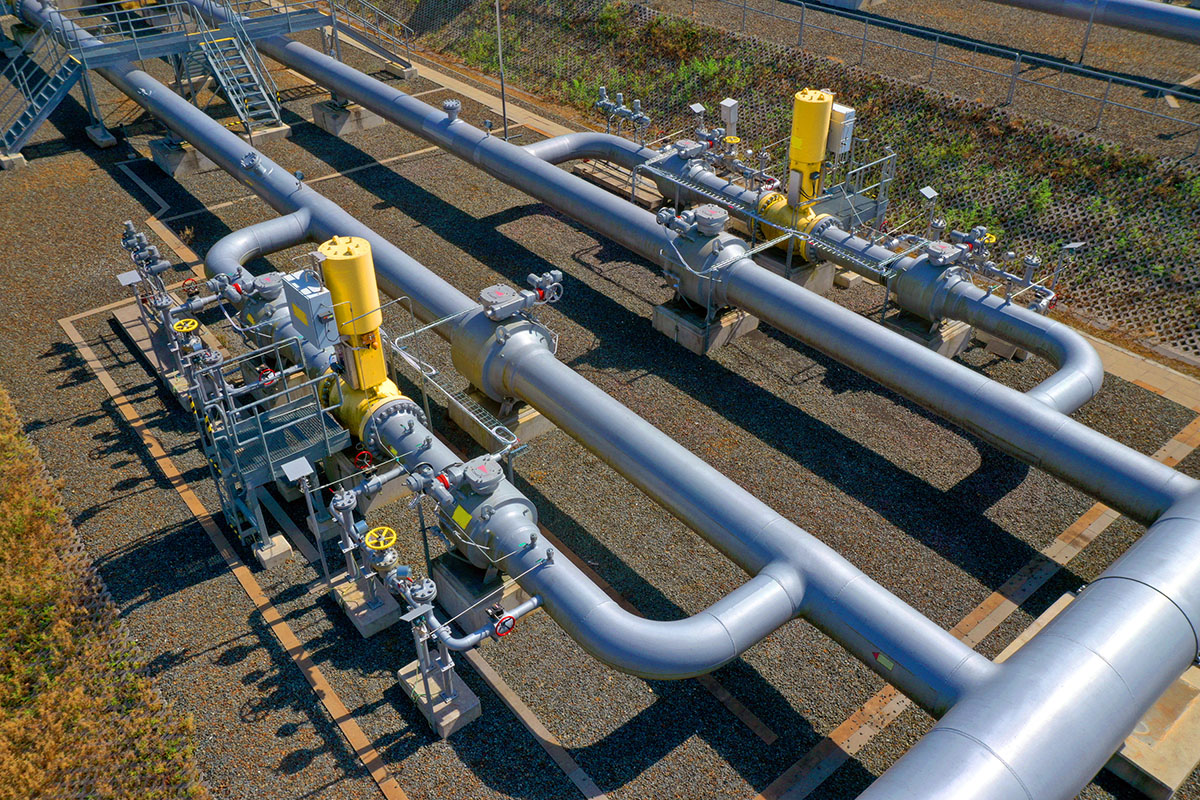
Brussels may push the January 2027 methane import deadline to 2028. The contract language that proves a supplier's emissions data has applied since August 2024, and fines can reach 20 percent of turnover.
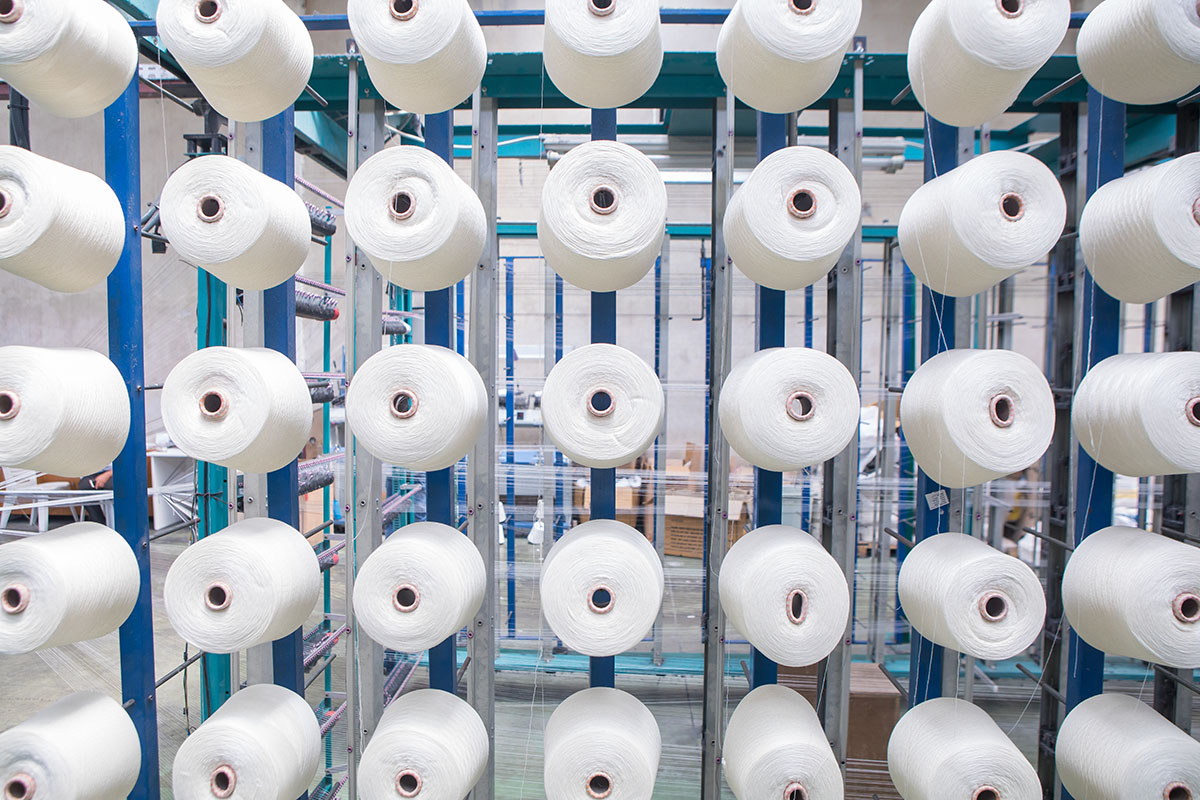
Brussels narrowed its due diligence law to the very largest companies. Its Forced Labour Regulation has no size threshold, reaches every tier of the supply chain, and applies from December 2027.
