A report launched at COP31 counts 3,078 cities that have finished climate risk assessments covering about 735 million people. Yet barely 1 percent of the urban climate finance tracked worldwide goes to adaptation, and the flood walls, drains and cooling that companies depend on are mapped far faster than they are funded.
Key Takeaways
Cities have done the homework. Thousands of them now know which neighborhoods flood, which streets overheat and which substations sit in harm's way. What most of them do not have is the money to fix it. A report released at the UN climate talks in Antalya last week puts numbers on that gap, and they matter well beyond city hall: the drainage, sea walls, power lines and roads that keep a factory, warehouse or office running are overwhelmingly public assets, and the plans to protect them are running years ahead of the funding.
The 2026 Global Covenant of Mayors Impact Report, launched at COP31 on November 11 to mark the alliance's tenth anniversary, is mostly a story of rising ambition. As Down To Earth reported, about 7,500 of its roughly 14,000 signatories, or 58 percent, have set emissions targets more ambitious than their national governments, and 28 percent aim to hit them sooner. Signatories with net-zero targets and implementation pathways rose from 211 in 2025 to 580 in 2026. The alliance now represents one in seven people on the planet. "The 2026 GCoM Impact Report is proof that city ambition hasn't fallen; national commitments have risen," said Anne Hidalgo, its global ambassador.
The same report shows how far the money lags. It says 3,078 cities have completed climate risk assessments, covering about 735 million people. But of the $831 billion in annual urban climate finance tracked by the Cities Climate Finance Leadership Alliance, barely 1 percent is directed to adaptation. Cities in emerging markets and developing economies receive about $6 billion a year, against an estimated need of $147 billion a year by 2030. In other words, the places that have identified their physical risks are, for the most part, not the places receiving money to reduce them.
The barriers are structural, not a matter of awareness. In an analysis for the Climate Policy Initiative, CCFLA researchers found that of the $831 billion in urban climate finance tracked for 2021 and 2022, adaptation projects received $10 billion, and only $6 billion of that went to cities in developing economies. Sub-Saharan African cities received 8 percent of adaptation funding and South Asian cities 7 percent. They identified six reasons, and several will be familiar to any municipal finance director. City adaptation projects are often too small to meet the lending criteria of multilateral and national development banks. Weak municipal creditworthiness and missing business models deter investors, leaving cities dependent on limited own revenues and on transfers and grants they cannot predict. Many cities lack the risk assessment and investment planning tools to turn a hazard map into a project a financier will accept. And cities rarely transfer climate risk through insurance, because premiums are unaffordable or payout procedures are complicated.
None of this reflects poor returns. The same analysis cites a World Resources Institute estimate that adaptation investment can yield more than $10.50 in benefits for every dollar spent, and it points to structures that work: a $500 million World Bank partial risk guarantee helped unlock a $910 million commercial loan for water infrastructure in Luanda, Angola. The constraint is packaging and credit, not value.
National governments are not filling it quickly either. At the opening plenary on November 9, according to a separate Down To Earth report, the COP31 presidency excluded a proposed agenda item on tripling adaptation finance that the African Group had sought, while adopting a standalone climate finance work programme. The report cites UNEP's Adaptation Gap Report 2026, which puts international public adaptation finance at $28.2 billion to $31.7 billion in 2024, against developing countries' estimated adaptation needs of $305 billion a year by 2035. Even a tripling, the report notes, would cover only a fraction of that.
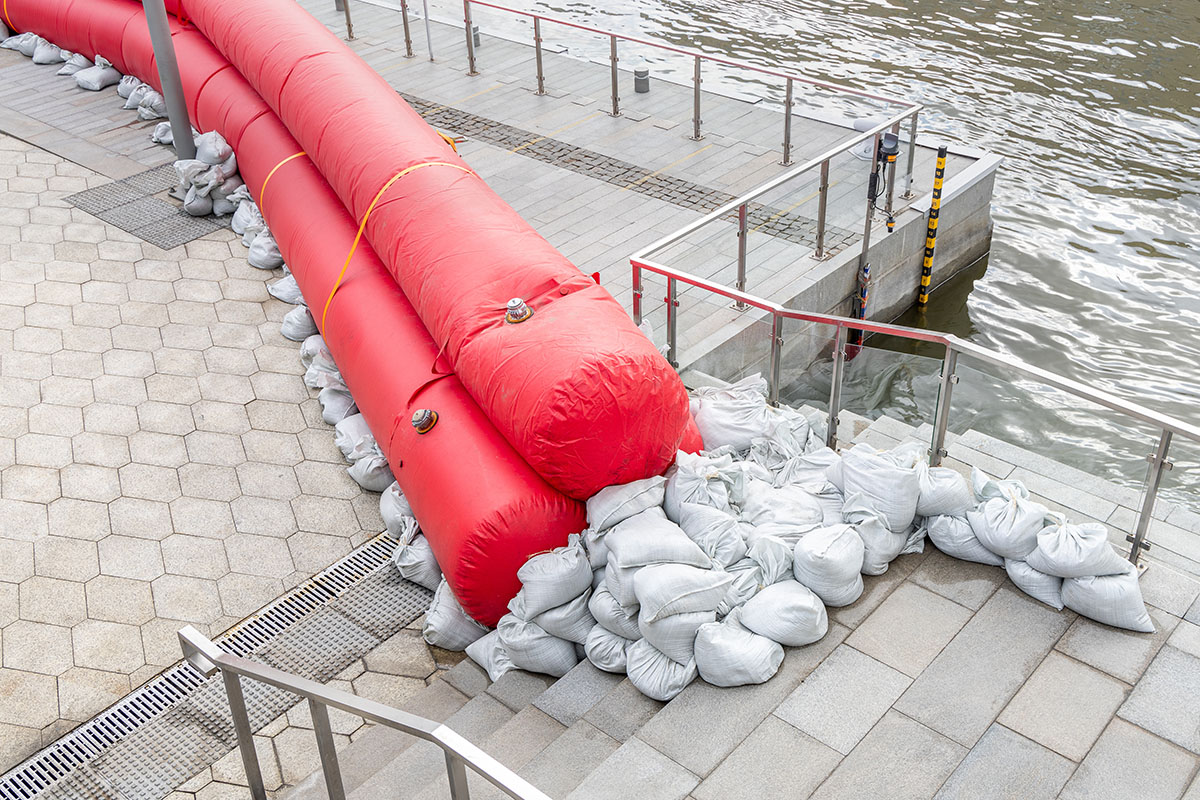
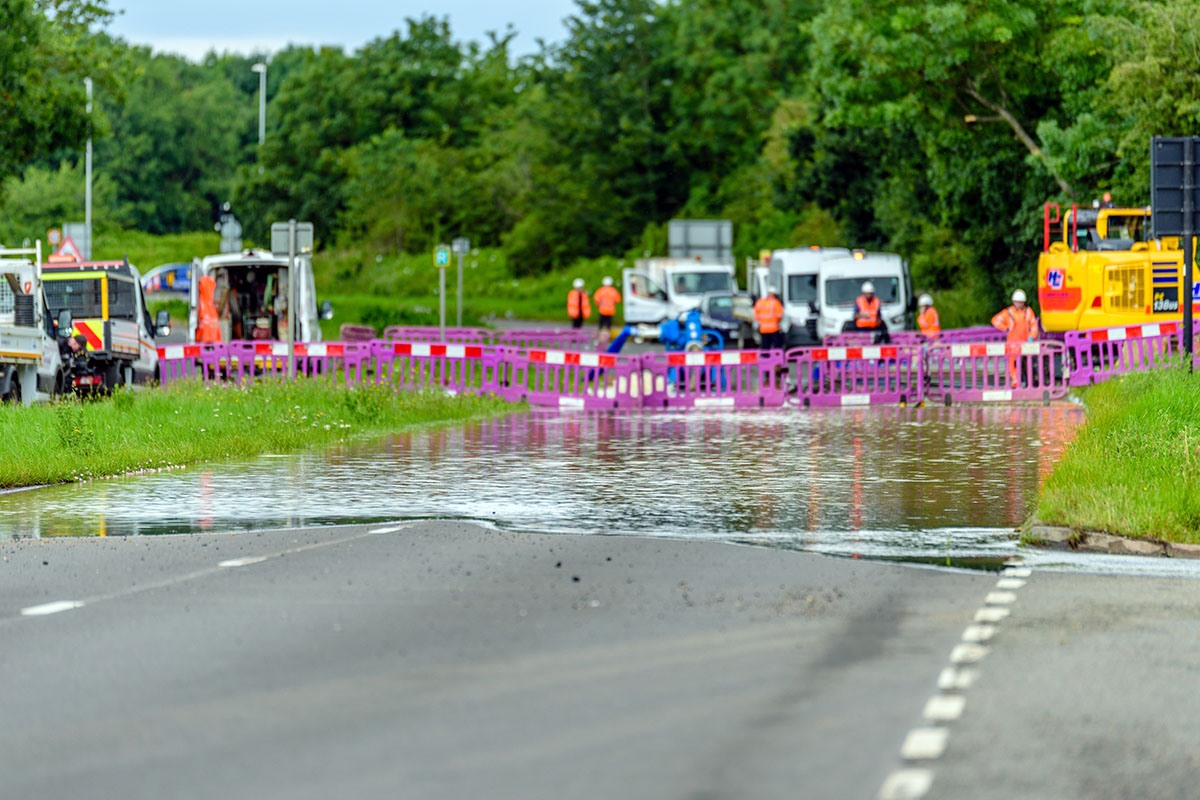
For companies, the distinction between a risk assessment and a funded project is the one that matters. A city that has mapped its flood risk but cannot finance the barrier still floods, and the businesses inside it still lose access, power, staff and customers. Corporate physical risk models often treat local infrastructure as fixed, assuming the levee, the storm drain and the grid will perform as designed. Where adaptation is unfunded, that assumption is the weakest line in the model.
For sustainability, risk and finance leaders, the practical steps look like this:
The mayors' report is a reminder that knowing the risk was never the hard part. More than 3,000 cities have already done that work. The hard part is paying for the response, and until adaptation finance moves beyond 1 percent of the urban total, companies should plan as though the barrier on the hazard map is still only a line on a drawing.

Scorecard
Weak municipal credit and unpredictable transfers are why city adaptation projects stall. This scorecard helps public finance teams benchmark reserves, revenue mix and long-range planning before they seek project finance.
Download

Guide
Where the city's flood barrier is still unfunded, a site's own response plan carries the load. This guide covers the communications and situational awareness that keep facilities and field teams working through floods and storms.
Download

Report
When public defenses lag, more physical risk lands on company sites, just as climate disclosure mandates and occupational health rules tighten. This report maps the regulatory trends with the greatest impact on EHS programs by region.
Download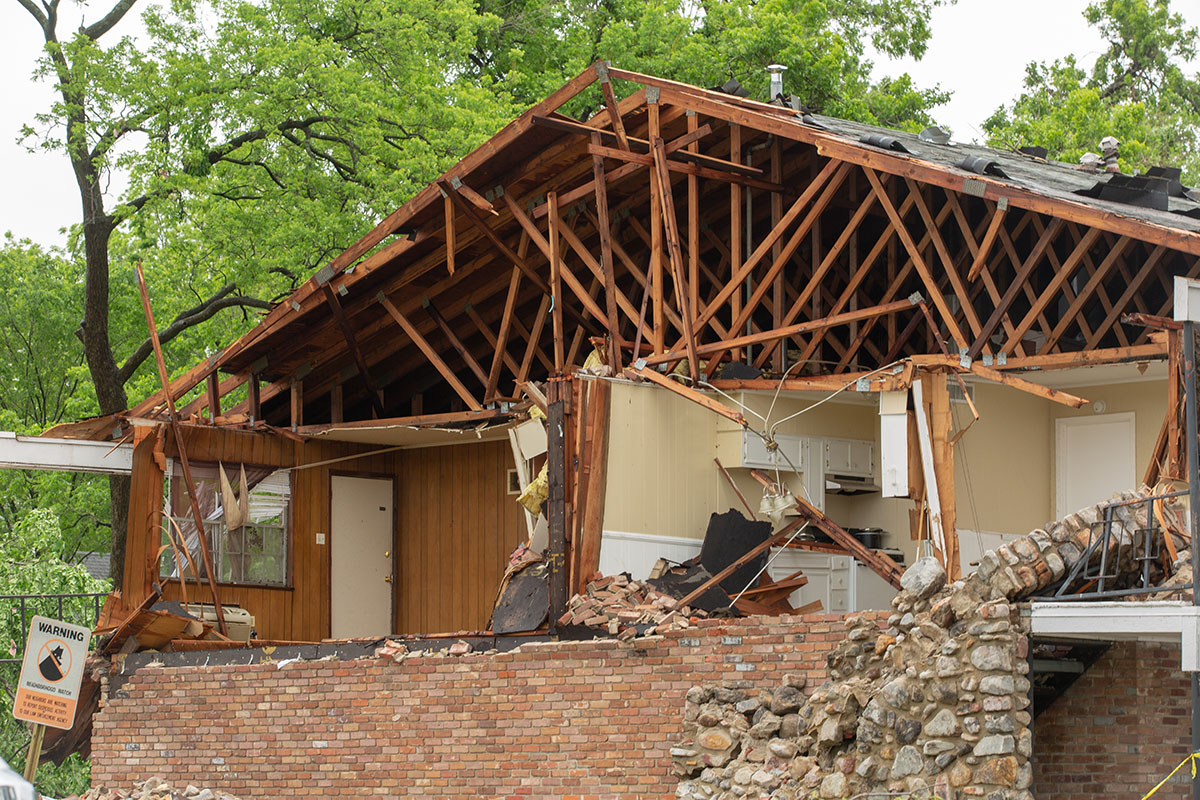
Moody's says more than half of natural catastrophe losses went uninsured in 2025, even with reinsurers holding record capital. Commonwealth leaders are now weighing a sovereign-owned mutual to pool disaster risk, and companies should check what their own plans assume someone else will pay.
Illinois is appealing a FEMA denial as the agency tells states to hold their own reserves and weighs cutting its share of public repair costs to 50 percent. The roads and sewers companies depend on will be rebuilt on local budgets and local timelines.
