Illinois is appealing a federal denial of storm aid as FEMA tells states to build their own reserves and weighs cutting its share of public repair costs from 75 percent to as little as 50 percent. The roads, sewers and public buildings companies depend on will be rebuilt on local budgets, and on local timelines.
Key Takeaways
Most companies think of disaster recovery as their own problem: their buildings, their inventory, their insurance claims. But the recovery that decides when a plant reopens or a store restocks is usually public. It is the washed-out road, the flooded sewer plant, the debris on the arterial street and the overtime bill for the crews who clear it. For decades the federal government has paid most of that bill. That arrangement is now being rewritten in real time, and the businesses that sit on top of public infrastructure have not yet priced in what a slower, locally funded recovery means.
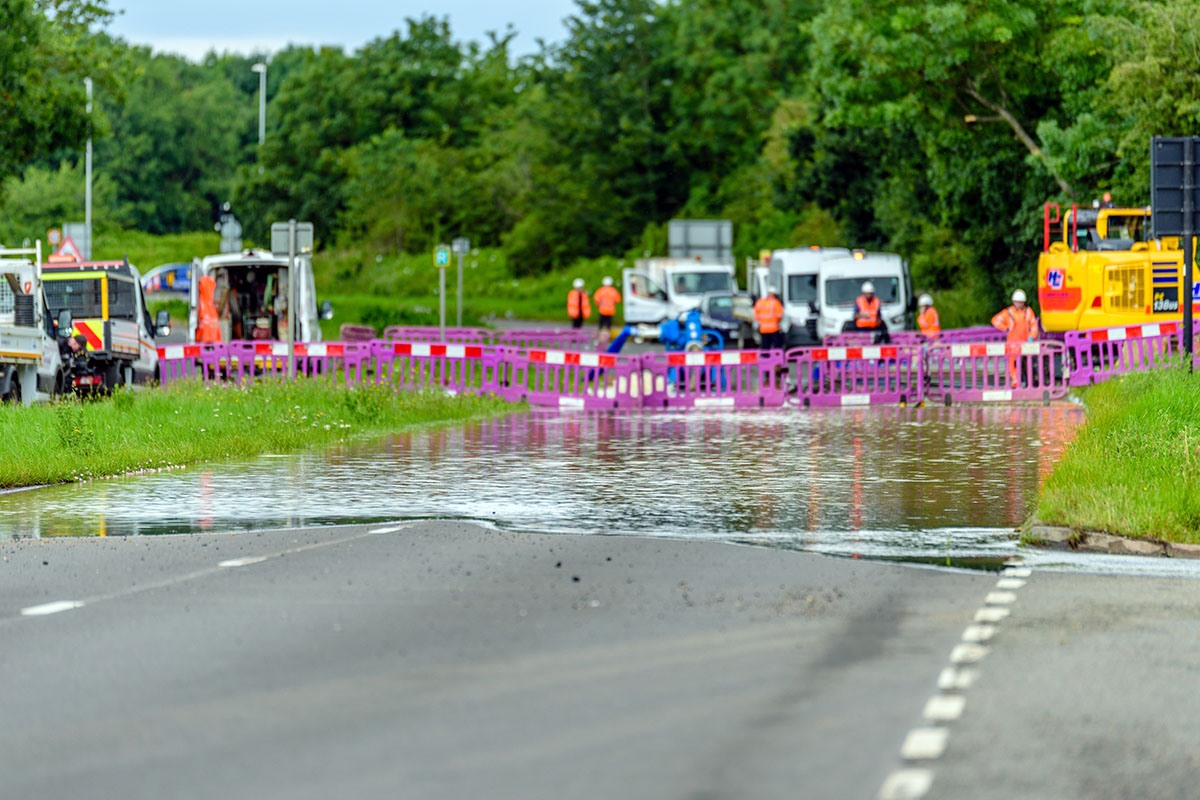
On November 5, Governor JB Pritzker filed a formal appeal after FEMA denied Illinois a major disaster declaration for the storms, flooding, tornadoes and severe winds that struck eight counties in mid-August. According to Capitol News Illinois, the denial came without explanation. The appeal raises the estimate of eligible public assistance costs to $43 million, up from $27.6 million in the original request, against FEMA's standard statewide threshold of $24.9 million, and six of the eight counties, including Cook, now meet their individual thresholds. The state has spent $3.4 million on the response so far, and Cook County more than $8 million.
The appeal drew statements from 18 state lawmakers, 12 of them Republicans. Deputy Governor Bria Scudder put the problem plainly: "Our challenge has been what's the standard?" The same report cites a Politico analysis finding that FEMA has granted 23 percent of disaster requests from Democrat-led states in President Trump's second term, against 89 percent for Republican-led states, while the past six administrations approved 70 to 90 percent of requests from states of either party. Whatever the explanation, the practical effect for anyone operating in an affected county is the same: whether federal money arrives, and when, has become hard to predict.
Illinois is not an isolated dispute. FEMA Administrator Cameron Hamilton laid out the direction of travel in a seven-page memo and a speech to state emergency managers in Little Rock last month. As GovTech reported, he told states to maintain "appropriate financial reserves" and take on more repair work, with the federal government remaining a backstop for disasters too large for states to handle. The memo says the changes could begin within six months. Louisiana's emergency management chief, Brig. Gen. Jason P. Mahfouz, called the memo "very aspirational," full of "what" but short on "how." The agency doing the shifting has also shrunk: it has lost about 7,000 of its roughly 29,000 employees, according to the Government Accountability Office.
The money question sits in a proposal from the FEMA Review Council. As WTAE reported, FEMA today generally covers at least 75 percent of eligible public assistance costs, the program that rebuilds roads, bridges and public buildings. The council's proposal would start the federal share at 50 percent, rising to 75 percent based on performance. On $100 million in eligible costs, state and local governments would pay $50 million instead of $25 million. The plan is not final and may need Congress, but its direction matches the memo. Urban Institute disaster policy expert Andrew Rumbach warned that the largest events "could truly bankrupt states."
The reserves to absorb that shift mostly do not exist. An Urban Institute analysis of 2019 found that of 31 states receiving federal disaster resources that year, only 5 had enough set aside in their budgets to cover their disaster costs. The rest faced an average shortfall of $37.9 million. That was a single, unremarkable year of disasters.
Milwaukee shows what the new arrangement looks like on the ground. After the August 2025 floods caused more than $240 million in damage, FEMA approved aid for individuals but denied public assistance. The Wisconsin Policy Forum found that more than $210 million went to 36,800 households, while local governments received nothing for at least $34.7 million in damage to public infrastructure and buildings. Milwaukee Public Schools and the regional sewerage district each carried more than $10 million, and Wauwatosa $6.8 million. The state's disaster fund, which normally pays out $1 million to $3 million a year, faced $16.9 million in claims, its highest since 2000. Nationally, only 2.7 percent of named disasters since 2000 have seen individual aid approved and public aid denied.
Local governments facing bills like that have three levers: delay repairs, cut other services, or raise taxes and borrow. Each lands on businesses. Delayed repairs mean longer road closures, slower utility restoration and supply routes that stay broken for months. Tax increases and fees land on commercial property. And the public grants that remain will be contested harder, with stricter documentation, so municipalities that cannot manage the paperwork will recover more slowly than those that can.
For companies with sites, suppliers and customers in disaster-exposed regions, the playbook looks like this:
Disaster recovery is quietly moving from a federal guarantee to a local budget line. Illinois may win its appeal, and the 50 percent cost share may never become law. But the direction is clear enough that companies should plan for the recovery they are likely to get, not the one they have grown used to.


Report
FEMA public assistance is a grant program, and a contested one. This report benchmarks how public agencies manage grants, document compliance and where legacy systems slow them down when every dollar is scrutinized.
Download

Report
If public repairs take longer, a company's own ability to keep people safe and operations running carries more of the load. This report looks at what separates organizations that recover quickly from those that stall.
Download

Report
Who pays for a longer outage is settled in force majeure, delivery and lease terms. This report examines how legal operations teams are taking on that kind of enterprise risk review across the contract portfolio.
Download
FEMA resilience grants dropped from $3.3 billion in 2022 to $726 million in 2025. The bill for flood and storm defenses is moving to states, cities and the businesses that depend on them.
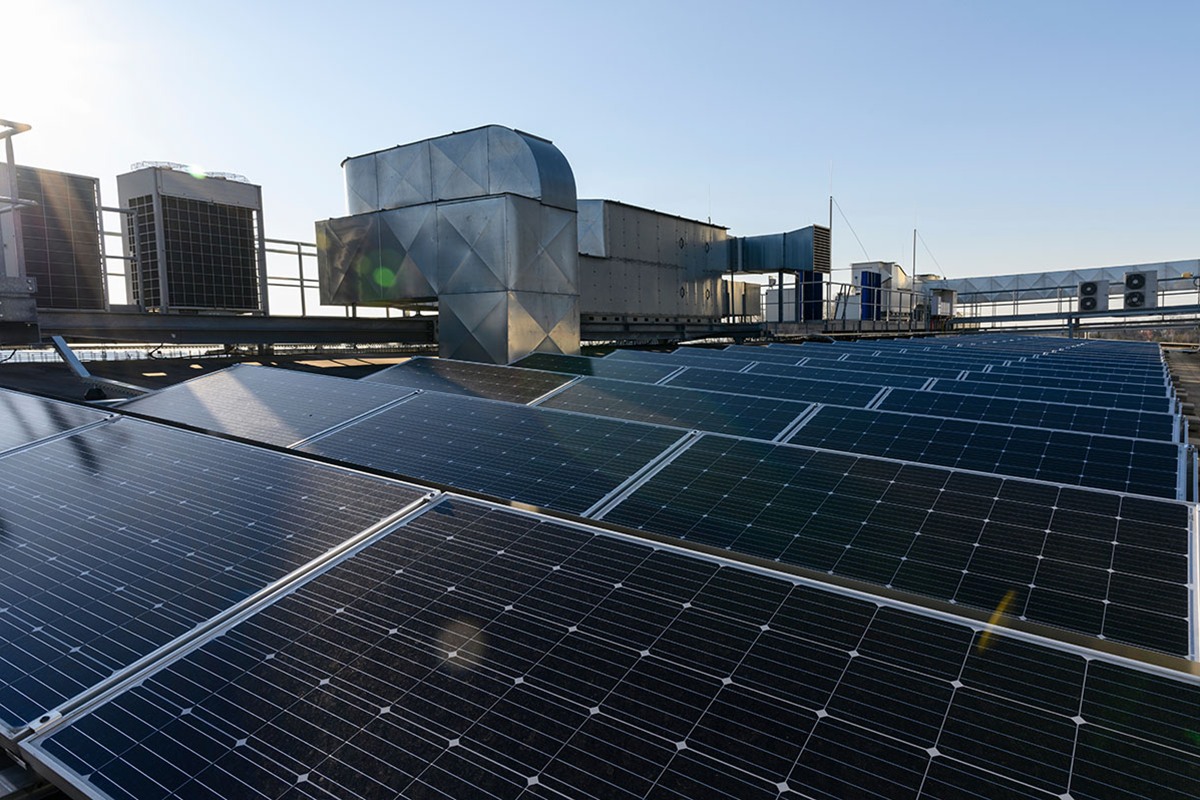
Budderfly has committed $500 million to fund energy upgrades for small and midsize US cities, repaid from savings instead of debt. The model removes the upfront cost, but moves the risk into 15-year contracts few councils are equipped to police.
