Eight justices heard Suncor v. Boulder County on October 5 and looked split, with a ruling expected by mid-2027. Whatever they decide, a deception theory that turns corporate climate statements into evidence could outlive the case.
Key Takeaways
When a wildfire, a flood or a drought hits a county, someone pays for the roads, the bridges and the drained reserves. For now, that is local taxpayers. On October 5 the Supreme Court began deciding whether it can also be the companies that sold the fuel. The case is Suncor Energy v. County Commissioners of Boulder County, and the eight justices who heard it did not sound settled. For companies far from the oil business, the more lasting question may not be who wins, but which legal theory survives, because the theory most likely to endure is built on what companies said about climate risk and when.
Boulder sued Suncor and ExxonMobil in 2018, alleging that the companies knew the climate risks of burning fossil fuels, did not disclose them, and that buyers therefore used more fuel. According to Colorado Politics, the community is seeking money for floods, wildfires, drought and building damage under claims of public and private nuisance, trespass, unjust enrichment and civil conspiracy. It is not asking a court to stop fuel sales. When the suit was filed, the county's announcement estimated at least $100 million in climate change costs over the following three decades, listing damage to roads and bridges, parks, forests, buildings, farming and the ski industry. San Miguel County Commissioner Hilary Cooper put the budget risk plainly: "A natural disaster here could wipe out our reserves."
No jury has found that the companies caused those costs, and the causal link has not been proven. The question in front of the justices is narrower: whether federal law, through the Constitution or the Clean Air Act, blocks state-law climate claims like these before they reach trial. As ESG Dive reports, Boulder is not alone. Dozens of municipal governments, 11 states, the District of Columbia and two tribal governments have filed similar lawsuits, and the ruling is expected to shape how those cases proceed.
Suncor's counsel, Kannon Shanmugam, warned that if the suit proceeds, "some 90,000 municipalities across the country will have the ability to make national and international energy policy." The federal government argued alongside the companies. Boulder's counsel, Kevin Russell, answered that the case is about deception rather than emissions, and that the companies "can continue to produce as much fossil fuels as they like" if buyers are "properly informed about the consequences of that decision."
The justices pressed both sides. Justice Elena Kagan placed the case in a line running from tobacco litigation in the 1990s to the opioid suits of the 2010s and said, "This is chapter three." In Just Security's account of the argument, Justice Kavanaugh worried the litigation could "bankrupt" defendants, Chief Justice Roberts asked what would stop copycat suits in every state, and Justices Sotomayor, Kagan and Jackson repeatedly questioned whether the Court has jurisdiction to decide the case at this stage at all. The authors, whose clinic filed a brief supporting Boulder, identify Justices Gorsuch and Barrett as the likely deciding votes.
Justice Alito's recusal makes a tie possible, and a 4-4 split would leave the Colorado Supreme Court's ruling in place without setting national precedent. The American Action Forum notes that almost 200 members of Congress and more than 40 states joined amicus briefs, and it expects a decision in spring or summer 2027. Of its five scenarios, the one with the widest reach for business is a split ruling: emissions claims preempted, deceptive marketing claims allowed to survive. That outcome would push litigation toward consumer protection theories and leave a fragmented legal landscape rather than a clean answer. Congress is also in the picture, with Republican lawmakers introducing a bill in April to bar such suits against fossil fuel producers outright.
Boulder is one front in a much larger docket. The Grantham Research Institute's 2026 snapshot counts 249 new climate cases filed in 2025 and more than 3,600 since 1986, with the United States alone accounting for 2,078. More than 50 strategic climate cases were filed against companies in 2025 across energy, finance, transport, real estate and consumer goods, and greenwashing claims are the most common type of case involving corporate actors. Grantham also notes that no polluter-pays case has yet produced an order to pay damages, which is why a ruling that lets Boulder go to trial would be watched so closely.
The pattern is the point. A deception claim does not depend on proving that one company's emissions flooded one road. It depends on what a company knew, what it said, and whether the two matched. That standard reaches any business that publishes climate targets, product claims or risk statements, and California's disclosure laws are about to put many more of those statements on the public record. Meanwhile, the costs Boulder describes keep landing on local budgets, whatever the courts decide and however long they take.


Report
A deception claim turns on whether what a company said matched what it knew. Watershed's guide to SB 253 and SB 261 shows how to build the data collection behind public climate filings so every published figure can be defended.
Download

Report
Until a court shifts the bill, counties like Boulder fund flood, wildfire and drought repairs from their own budgets and outside grants. This report shows how public sector teams are managing that grant funding and where their systems fall short.
Download

Report
Courts may take years to decide who pays for climate damage, and organizations carry the first loss in the meantime. This report sets out the measurable return on resilience platforms and the data needed to fund them now.
Download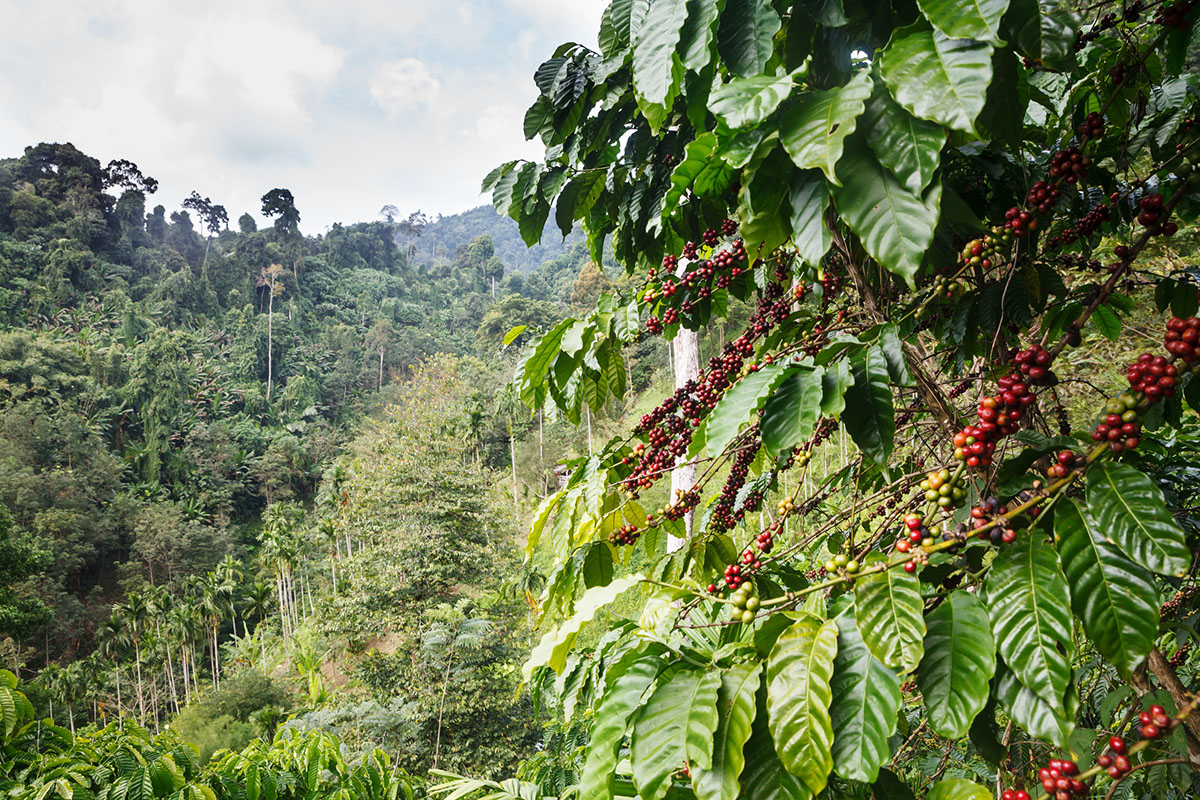
The EU Deforestation Regulation applies to large and medium companies on December 30 with no third delay. A new IISD survey finds 74 percent of producers fear stricter rules will push farmers toward less regulated markets.
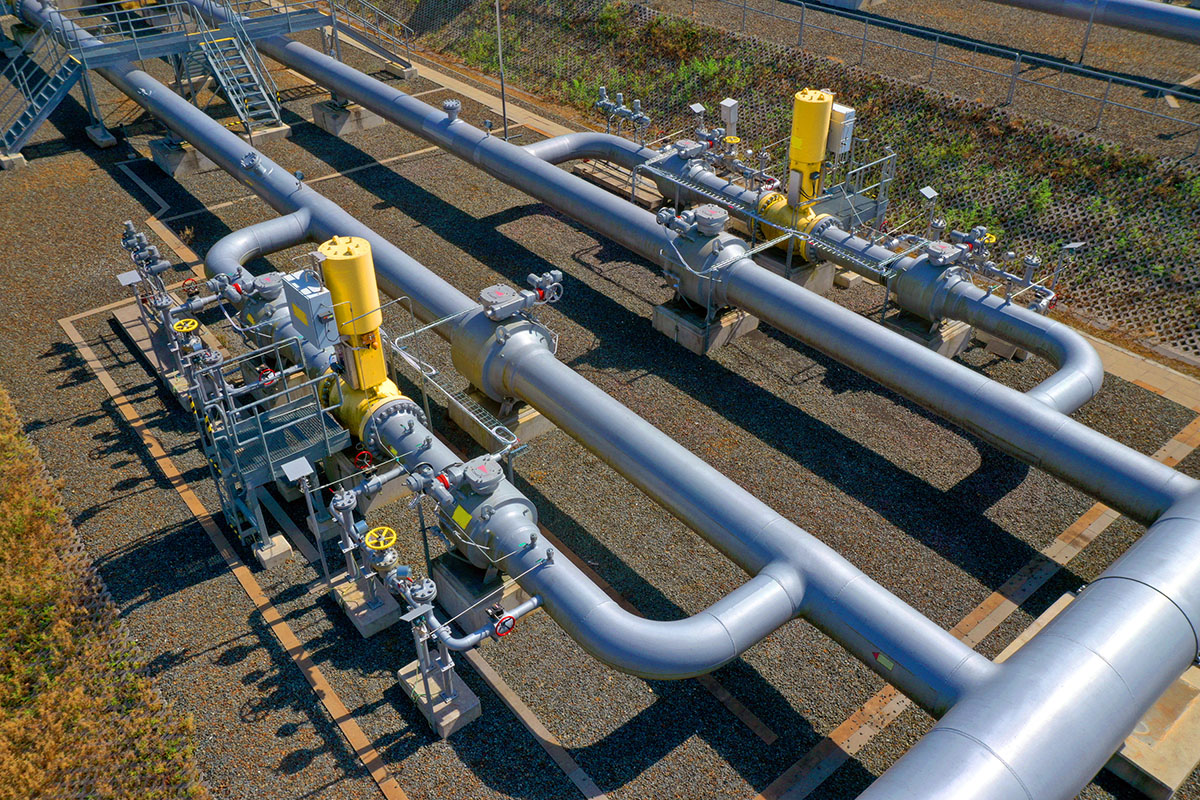
Brussels may push the January 2027 methane import deadline to 2028. The contract language that proves a supplier's emissions data has applied since August 2024, and fines can reach 20 percent of turnover.
