NERC's 2026–2027 Winter Reliability Assessment says the grid is better prepared than last year, with 26.2 GW of new capacity. It is also the first to analyze gas system risk, and it warns that generators without firm fuel contracts may not run when the cold arrives.
Key Takeaways
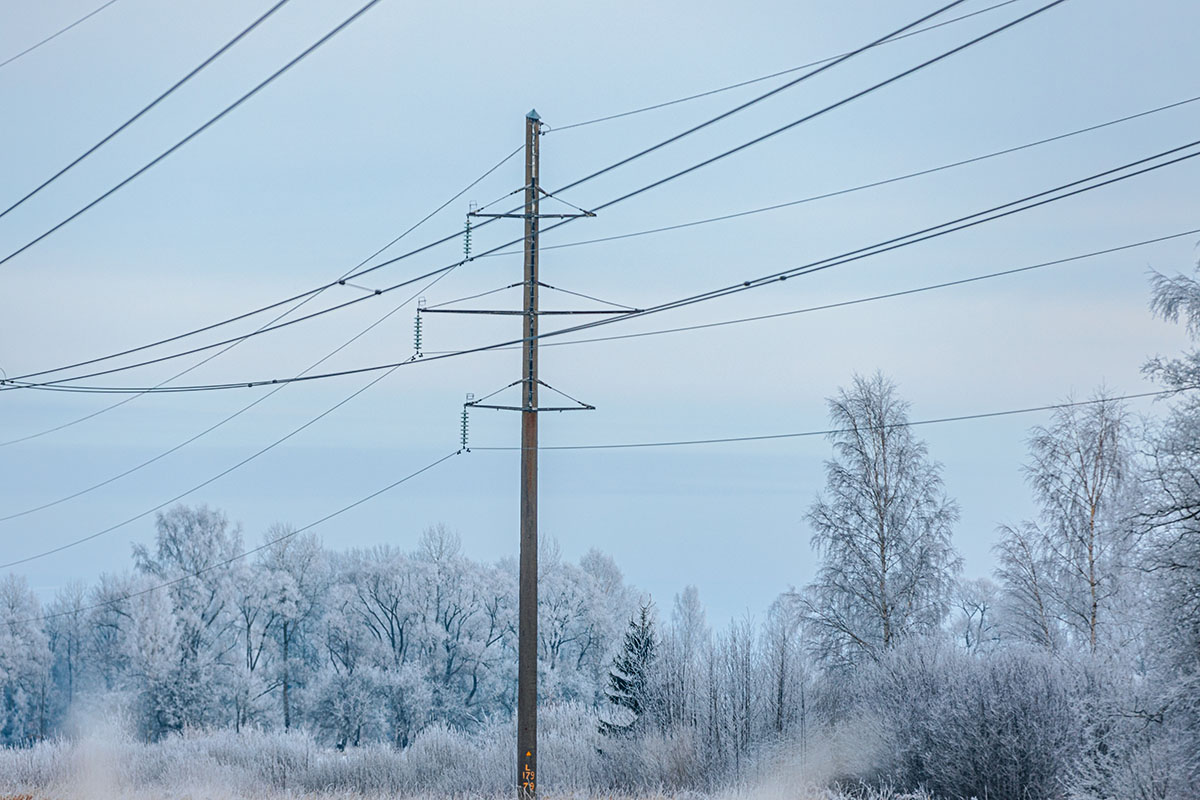
The North American grid goes into this winter in better shape than it has in years. New batteries and gas plants are online, retirements have slowed and generators have learned to keep running in the cold. Yet the official outlook carries a warning that matters to every company with a sustainability plan built on electrification: demand is climbing almost everywhere, and the fuel that keeps the lights on during a cold snap still depends on pipelines and contracts that may not deliver when everyone needs gas at once.
The North American Electric Reliability Corporation released its 2026–2027 Winter Reliability Assessment on November 18. As Utility Dive reported, on-peak capacity resources grew 26.2 GW over last winter, a 2.4 percent increase led by batteries and gas-fired generation, and a slowdown in plant retirements also helped. No area faces a high risk of resource shortfalls this winter. "In many ways, the industry is on better footing going into winter this year," said Mark Olson, NERC's manager of reliability assessments.
The demand side is moving just as fast. According to the American Public Power Association's summary of the report, winter peak demand forecasts rose in 21 of the 23 NERC assessment areas, primarily because of data center expansion and electrification. Every assessed area has enough resources for a normal winter peak, but extreme, wide-area cold could still cause supply shortfalls. NERC President and CEO Jim Robb said "the unpredictable weather of El Niño and rapid load growth present unique challenges this winter."
El Niño may bring milder than average conditions, but Olson cautioned that "extreme storms with ice and abnormal cold temperatures can lie within those averages." NERC flagged parts of the Midwest, where subregions of Southwest Power Pool and MISO have localized transmission constraints that make imports difficult; SERC East in the Southeast, which could fall short during morning peaks with low solar output; and Québec and the Maritimes, where supply can become strained in extreme peak demand.
This year's assessment is the first to include an analysis of natural gas system risks, and that is where the warning sharpens. Several areas face elevated risk of fuel shortfalls for gas-fired generation during prolonged cold or because of local constraints. "Regionally constrained natural gas infrastructure limits available fuel for generators during cold snaps," Olson said. New England is rated at elevated risk because of constrained or limited pipeline capacity, and gas generators in the Pacific Northwest are predominantly single-fuel, which raises their risk at peak demand.
The mechanism is commercial as much as physical. Utility Dive reports NERC's finding that single-fuel generators without long-term gas contracts may be unable to run when needed, because peak winter heating demand often coincides with high residential gas use. A plant that buys fuel on the spot market is competing with every furnace in the region at the moment it is most needed. NERC even singles out the calendar: gas purchase deadlines often fall before holiday weekends, so operators should watch for cold weather over those weekends. Thanksgiving is this week.
The system has just been tested. A joint FERC and NERC review of Winter Storms Fern and Gianna, summarized by Renewable Energy World, found that the bulk power system performed well, with no significant disruptions. But unplanned generator outages peaked at 68,169 MW on January 26, close to the 71,022 MW peak during the January 2025 arctic events, and more than 3,000 generators logged nearly 17,000 forced outages, derates or failures to start. Dry gas production fell by as much as 14 percent nationally, and storage withdrawals of 359 Bcf in the week ending January 30 tied the weekly record. Robb said the combined challenges brought the system "close to the edge."
Preparation is what made the difference. TVA spent about $100 million on freeze protection and hardening after Winter Storm Elliott, and its cold-related unit outages lasted 45 minutes to four hours rather than days. The strain also showed up in places no fuel contract covers: in New England, fast-start oil units ran far longer than designed, some nearly ran out of demineralized water and ammonia, and ISO New England arranged water trailers from as far away as Seattle. Natural gas is expected to supply about 40 percent of U.S. generation in both 2026 and 2027, which ties winter reliability, and the emissions profile of the grid, closely to gas supply.
For the companies that buy that power, the assessment is a reminder that electrification targets inherit the grid's winter risk. NERC's recommendations ask operators to plan for extreme conditions lasting 10 days or more, generator owners to finish winter readiness before December, and state regulators to support conservation appeals and environmental and transportation waivers when needed. The practical steps for sustainability, energy and risk teams are:
The grid's improved outlook is real, and it was earned through investment in weatherization and new capacity. But the first gas analysis in NERC's winter assessment shows where the remaining risk sits: in pipelines that cannot expand overnight and in contracts that decide who gets fuel when demand peaks. Companies that check their exposure this week will not be learning it during the first arctic blast.

Guide
NERC now asks operators to plan for extreme cold lasting 10 days or more and to review how they communicate shortfalls. Motorola Solutions' guide covers the communication systems and response protocols that keep organizations connected when severe weather strikes.
Download

Guide
Last January, New England units running far beyond design nearly ran out of demineralized water and ammonia, and NERC expects regulators to grant environmental waivers in emergencies. Enhesa's framework covers assessing and reducing EHS risk across complex operations before a cold snap tests them.
Download

Report
NERC's warning comes down to contract terms: generators without long-term gas contracts may not run at peak. Icertis shows how contract intelligence finds cost-shock exposure and protective clauses quickly, the same review buyers need of firm supply and curtailment terms before winter.
Download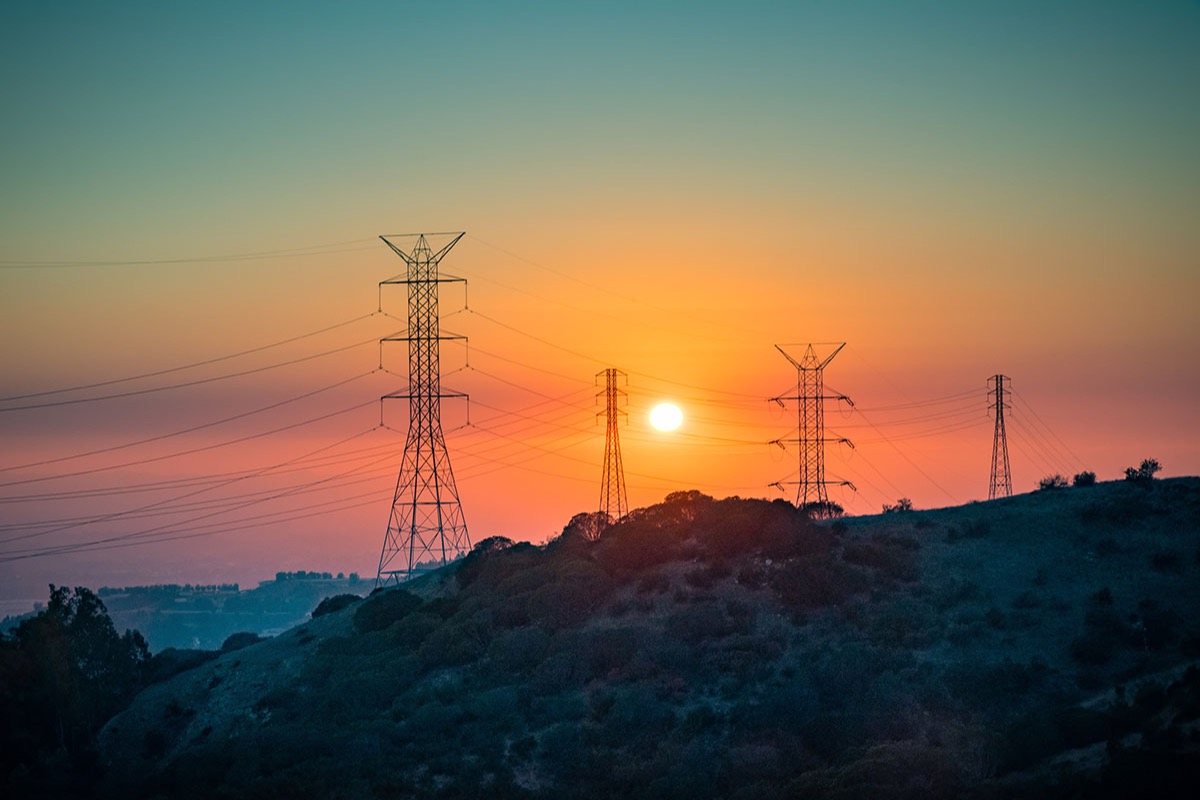
PG&E's October 15 wildfire shutoffs took about 75 ALERTCalifornia cameras offline after a backup generator system failed to start. Safety systems that share a power source with the hazard they watch are a gap that only shows up when the grid goes dark.
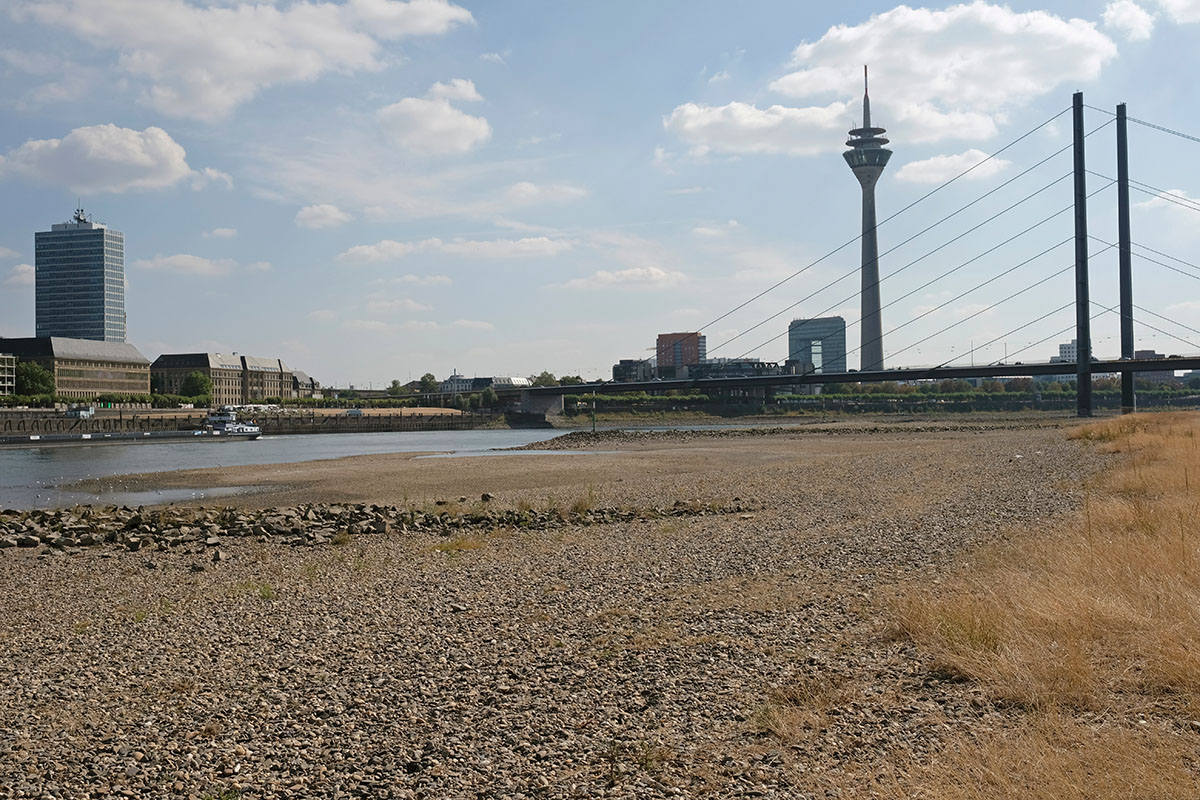
A key Rhine gauge fell to its lowest reading since 1880 and barges ran restricted for 74 days. English courts are signaling that weather this predictable may not count as force majeure, leaving the bill with whoever signed the contract.
