An ACCA survey released ahead of COP31 finds just 11 percent of organizations fully or very prepared for water-related supply chain risks. CDP data shows why: most companies that map water exposure stop at their direct suppliers.
Key Takeaways
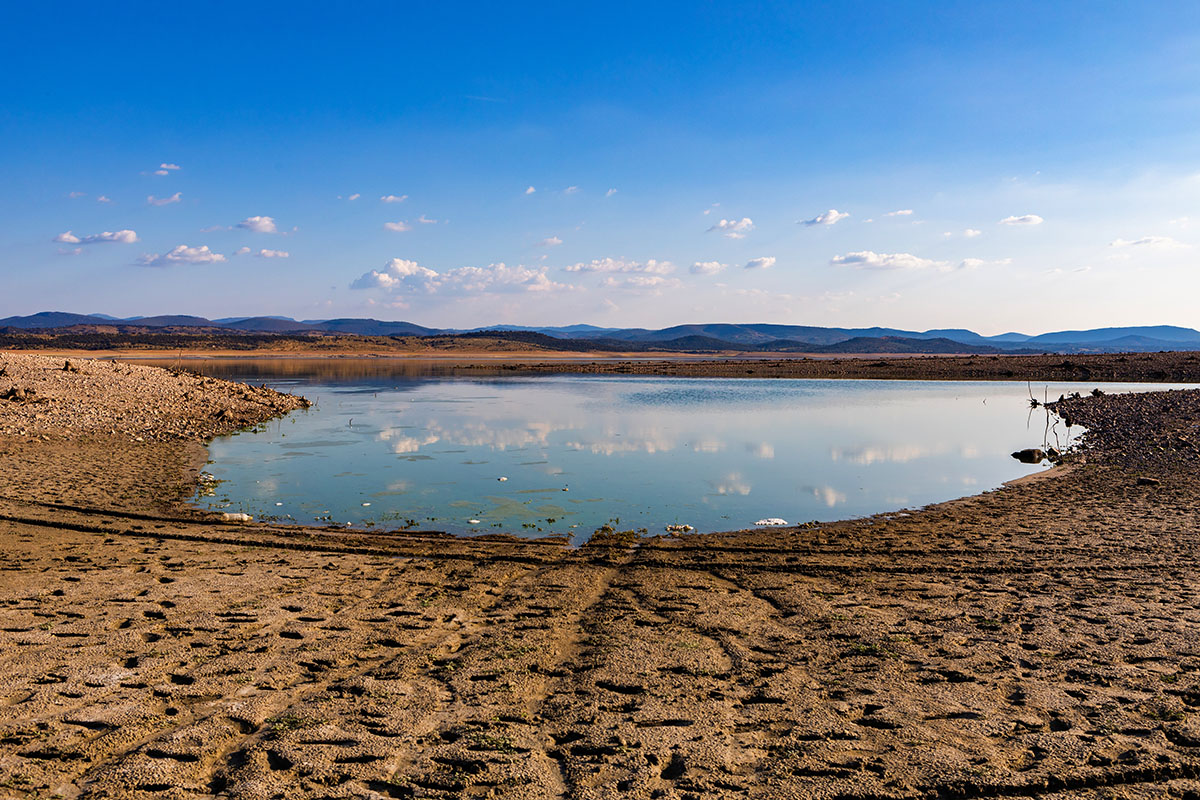
Drought, flooding and water stress do not usually stop a company at its own gate. They stop a supplier: a farm whose yield collapses, a factory that loses its intake, a road or river that can no longer carry freight. New research from the accountancy body ACCA suggests most organizations know this and are still not ready for it. The risk has been named. The preparation has not caught up.
ACCA's report, Weatherproofing your supply chain, asked members which sustainability risks they expect to have a high financial impact on supply chains over the next five to ten years. Resource and materials scarcity came first at 43 percent, followed by physical climate risks at 38 percent, water-related risks at 36 percent and transition risks at 34 percent. Water is not a niche concern in that list. It sits within a few points of the risks companies already spend heavily to manage.
Preparedness tells a different story. According to ACCA's announcement of the findings, drawn from a survey of around 500 ACCA members and released ahead of COP31, only 11 percent said their organizations were fully or very prepared for water-related supply chain risks. Put the two numbers side by side and the gap is plain: roughly one in three respondents expects water to hit hard, and about one in nine feels ready.
Emmeline Skelton, ACCA's Head of Sustainability, framed the problem as one of follow-through rather than awareness. "Organisations are recognising more sustainability risks, but preparedness does not always keep pace," she said, adding that "visibility on its own does not prevent disruption."
Disclosure data points to where preparation breaks down. In its analysis of 2024 water disclosures from more than 8,500 companies, CDP found that 70 percent of companies disclosing on water are taking steps to map their value chain. But 73 percent of those map only tier one, their direct suppliers. Just 21 percent engage their suppliers on water issues at all.
That matters because water exposure tends to concentrate further upstream, in the agriculture, mining and processing that sit behind a direct supplier. Retailers are already feeling it. WWF's latest assessment of UK supermarkets, reported by Retail Times, says climate change and nature loss are already affecting the price or supply of staples such as rice, milk and sugar, and lists sustainable water management among the areas where progress is off track, unclear or lacking evidence. "Climate change and nature loss are no longer future threats but realities impacting our food system today," said Sophie Bauer, WWF's head of food transformation.
The money at stake is large. Companies reported US$339 billion in potential financial impacts linked to water-related risks through CDP, and 27 percent of companies disclosing on water say they are already withdrawing from water-stressed areas. CDP's case for pricing water in the boardroom adds that the same risks could be mitigated for US$58.7 billion, a potential six-fold return, and cites a European Central Bank finding that surface water scarcity alone puts almost 15 percent of EU economic output at risk.
Asked how to improve their readiness, ACCA's respondents put business continuity and disruption response planning first at 47 percent. Investment in physical and operational resilience followed at 40 percent, and better assessment of suppliers' exposure to water risks at 39 percent. Another 32 percent picked better risk prediction and early warning as one of the most important benefits of AI and digital tools for sustainable supply chains.
The report's own guidance warns against stopping at the questionnaire. Supplier information, Skelton noted, "is an important starting point, but it may need to be tested against other evidence." ACCA points to combining weather data, sensors and supplier information to detect disruption earlier, and to linking that evidence to procurement, due diligence, investment and governance decisions. As Skelton put it, "better information only creates value when it leads to better decisions."
For companies trying to move from the 89 percent to the 11 percent, the practical steps are clear:
Water has moved onto the risk register. The ACCA findings show it has not yet moved into the plans that would keep production running when a supplier's river runs low, and the companies that close that gap first will be the ones still shipping when it does.

Guide
Business continuity planning topped ACCA's list of water readiness priorities. This guide explains what separates organizations that keep operating through a crisis, and the technology investments behind them.
Download

Guide
Water exposure that sits with suppliers still has to reach the sustainability report. This guide shows manufacturers which supply chain data CSRD disclosure requires and how to gather it.
Download

Guide
Water risk competes for budget only when it is priced and tied to the rules that govern it. This guide shows how to make the financial case for regulatory intelligence in terms leadership will fund.
Download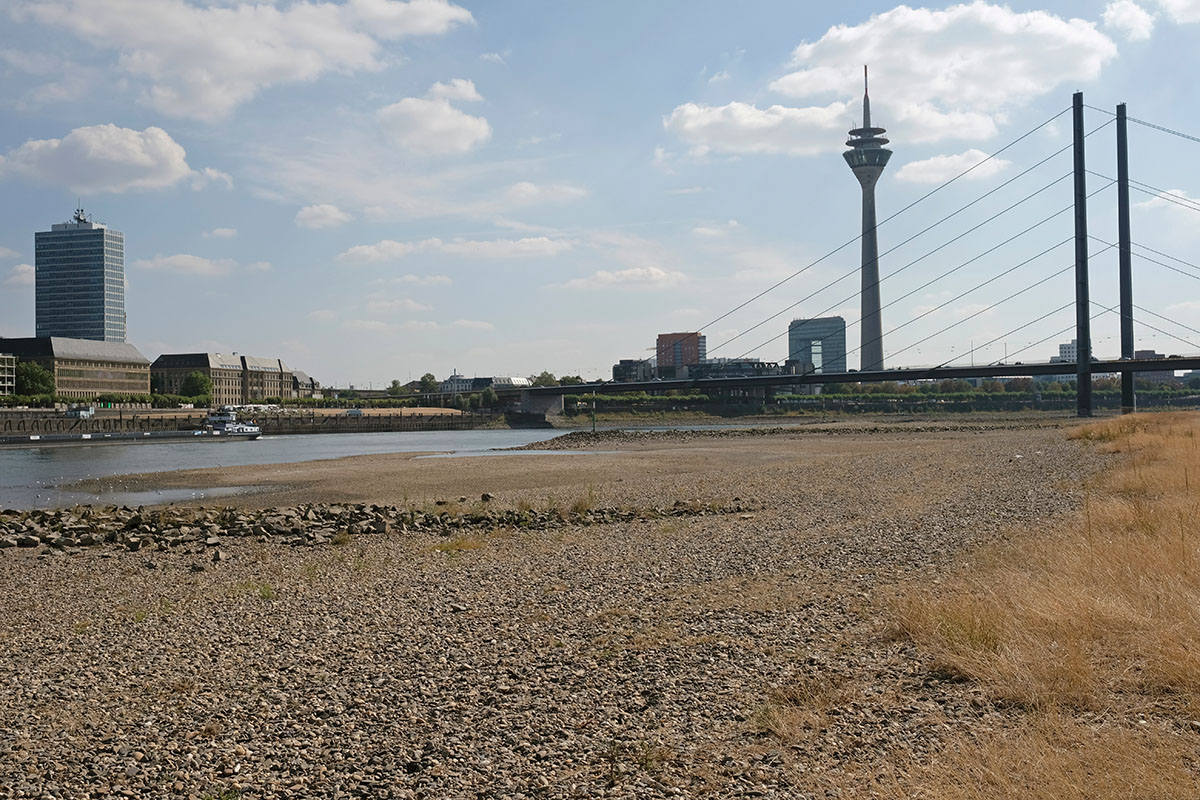
A key Rhine gauge fell to its lowest reading since 1880 and barges ran restricted for 74 days. English courts are signaling that weather this predictable may not count as force majeure, leaving the bill with whoever signed the contract.
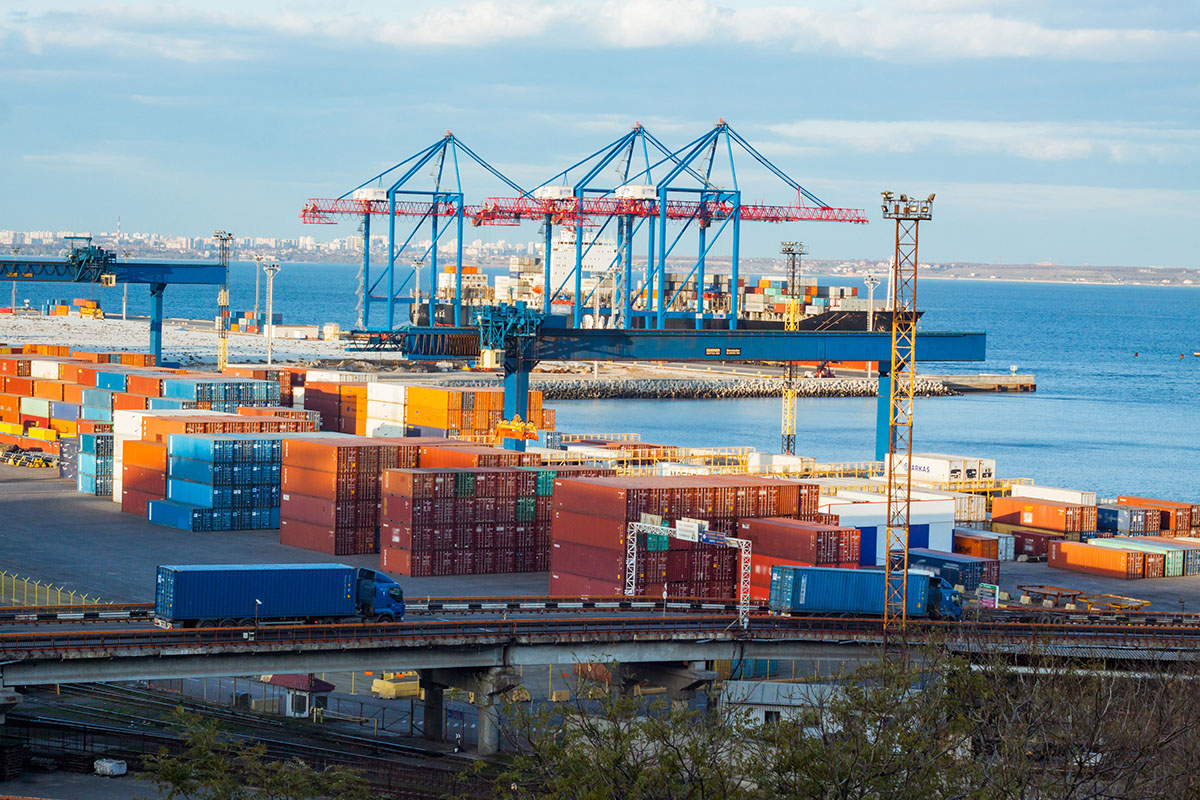
Capgemini's new survey finds 87 percent of large organizations have had climate-related supply chain disruption, yet just 15 percent have fully quantified the financial hit. The gap between spending and measurement is now the risk.
