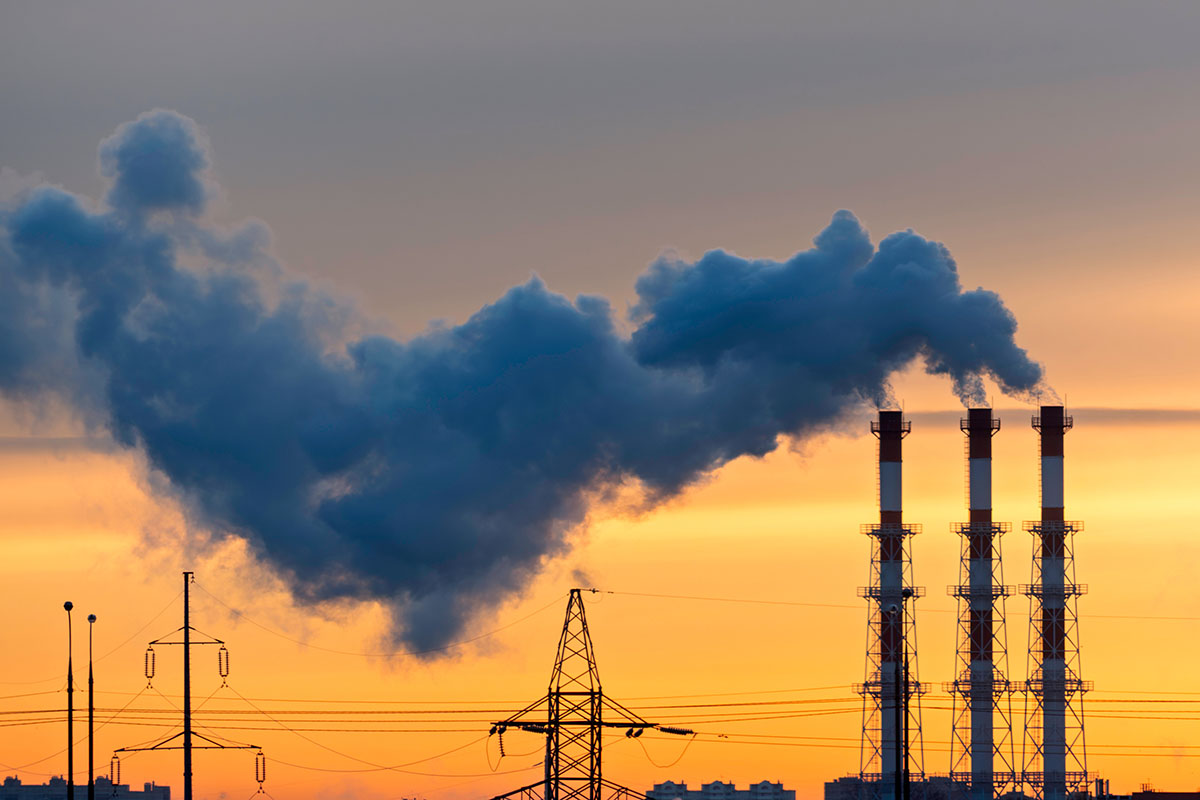
UNEP's Emissions Gap Report 2026 says 1.5°C with no or limited overshoot is gone, and the best case is now a 1.7 to 1.8°C peak. That changes the scenario behind targets, physical risk plans and climate disclosures.
Key Takeaways
For a decade, 1.5°C has been the number that corporate climate strategy was built around. Science-based targets, transition plans, scenario analysis and investor letters all treated it as the ceiling the world was still trying to stay under. The United Nations Environment Programme has now said, in plain language, that the ceiling will be broken. The question for sustainability and risk leaders is no longer whether to plan for overshoot. It is how long the overshoot lasts, how high it peaks, and whether the plans already on file were written for a world that no longer exists.
UNEP released the 17th edition of its annual assessment, titled Emissions Gap Report 2026: The Point of Return, on October 21. As UN News summarized it, global warming will breach 1.5°C, and the best remaining outcome is a peak of 1.7 to 1.8°C around mid-century followed by a slow return. That “lowest possible” overshoot pathway requires emissions to fall 18 percent by the end of the decade, 45 percent by 2035 and 69 percent by 2040, all measured against 2025. Secretary-General António Guterres framed it as a call to action rather than a concession: “Overshoot is not surrender.”
The Dutch environmental assessment agency PBL, which contributed modeling to the report, was blunter. “Unfortunately we find that the target of 1.5 °C with limited overshoot is no longer possible,” said PBL researcher Michel den Elzen. PBL puts the chance of getting back to 1.5°C by 2100 on the lowest-overshoot path at about 50 percent, and notes that every five years of CO2 emissions at current levels raises peak warming by around 0.1°C. In other words, delay is no longer measured only in missed targets. It is measured in tenths of a degree at the peak.
The emissions trend gives little cover. According to Down To Earth, global greenhouse gas emissions reached 58.4 gigatonnes of CO2 equivalent in 2025, a decline of just 0.1 gigatonnes from 2024, and more than two-thirds of the total came from fossil sources. The G20 excluding the African Union accounts for 76 percent of global emissions, and its emissions excluding land use rose 0.7 percent in 2025. Over the past decade 63 countries cut their emissions while 124 increased them. The physical signal is already here: September 2026 was the second-hottest month on record, 1.63°C above pre-industrial levels.
National plans do not close the gap. UNEP's press release, republished by Eco-Business, says full implementation of current nationally determined contributions would cut emissions only 5 to 8 percent by 2030 and 11 to 15 percent by 2035. The lowest-overshoot path needs an average annual reduction of 5.7 percent between 2025 and 2035, against about 5 percent in the older IPCC pathways that many corporate targets were calibrated on. Methane must fall at least 25 percent below 2025 levels by 2035 and 40 percent by 2040, and UNEP notes recent methane trends are moving the wrong way. Even the best case leans on removing and permanently storing about 320 gigatonnes of CO2 over the century, roughly eight years of 2024 emissions, and the report calls the chances of achieving that uncertain.
There is evidence that policy works when it is applied. UNEP reviewed more than 220 policy evaluations and found that electricity-sector policies cut emissions by an average of 9 percent, while carbon taxes and cap-and-trade schemes achieved reductions of 5 to 13 percent. Renewable capacity has grown three times faster than anticipated and solar seven times faster. “We have a wealth of success stories showing that emissions can be cut quickly,” said UNEP Executive Director Inger Andersen.
Three parts of a typical corporate climate program are affected. The first is targets. A reduction pathway set years ago against a 1.5°C budget now sits inside a world that will exceed that budget, and the required pace has risen to roughly 5.7 percent a year. Companies do not need to abandon 1.5°C-aligned targets, since the return to 1.5°C by 2100 still depends on exactly that pace, but they should stop describing those targets as keeping warming below 1.5°C. That claim is now hard to defend.
The second is physical risk. Many scenario analyses still treat 1.5°C as an optimistic case and 2°C or more as the stress case. UNEP's numbers turn that around. A 1.7 to 1.8°C peak is now the best case, and current policies point toward 2.8°C. “Every additional fraction of a degree and additional year of warming above 1.5°C increases climate impacts and risks,” Andersen said, citing this year's floods, heatwaves and wildfires. Facility siting, insurance, capital planning and supplier mapping should all be tested against an overshoot that lasts decades.
The third is disclosure. California's first climate-related financial risk reports are due November 10, and they will be public. A scenario section that presents 1.5°C without overshoot as a live outcome, three weeks after the UN declared it gone, invites hard questions from investors and regulators alike.
The practical response is to re-baseline before the next planning cycle:
The report's title is deliberate. UNEP is not calling this a point of no return. It is calling it a point of return, a recognition that the world will go past 1.5°C and will need to come back. Corporate plans that are honest about the overshoot, and that are built to cut harder and adapt longer, are the ones that will still be credible when the next report arrives.


Guide
California's first climate risk reports land weeks after UNEP moved the base case to overshoot. This starter kit sets out the state's obligations and a 90-day plan for getting emissions data and risk scenarios in order.
Download

Guide
A 1.7 to 1.8°C peak means decades of rising heat, flood and wildfire exposure at operating sites. This framework covers how to identify, assess and reduce those environmental, health and safety risks across global operations and supply chains.
Download

Report
If every extra tenth of a degree brings more severe events, resilience becomes a standing capability rather than a one-off project. This report looks at what separates organizations that handle crises well and the technology behind them.
Download
NOAA gives a strong to very strong El Niño better than an 83 percent chance this winter, and the WMO forecasts a record. Unlike a hurricane, this hazard came with months of warning that budgets, grant calendars and supplier plans have yet to use.
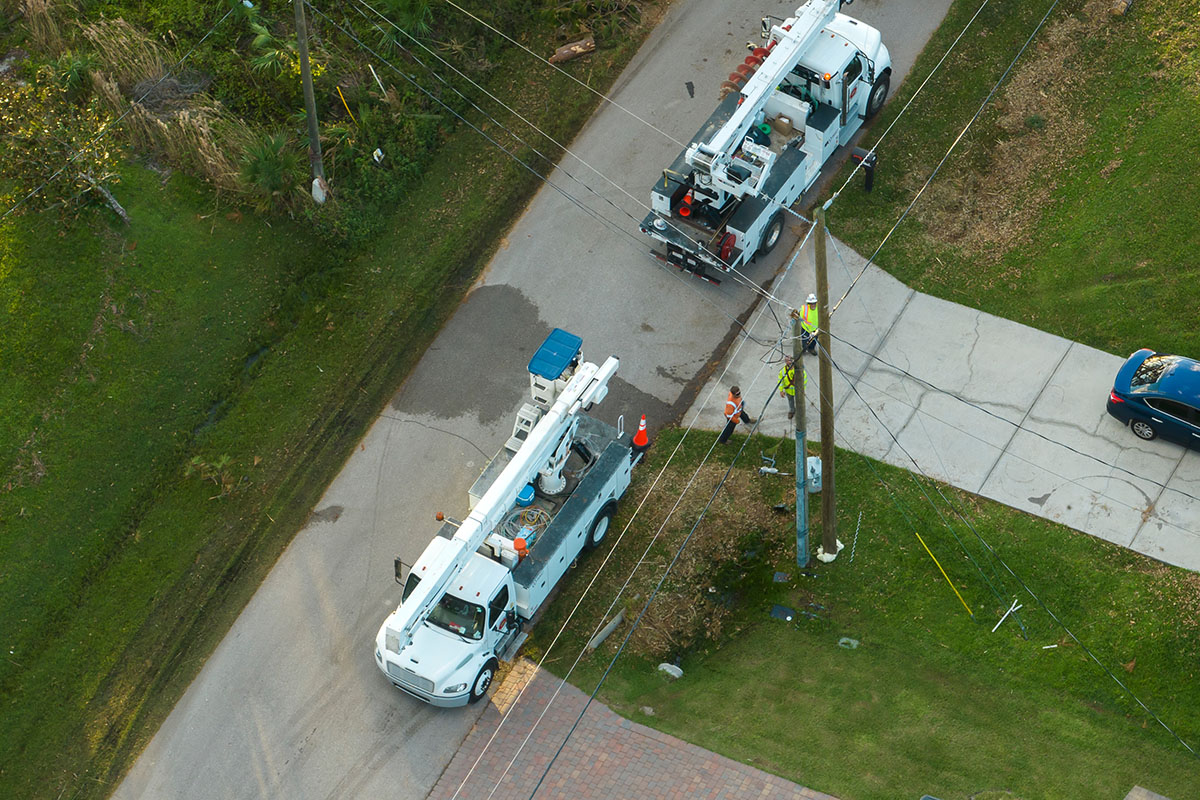
Hurricane Isaias became the Atlantic's first hurricane on October 7, the latest in the satellite era, days after Southern California's October heat warning. Risk plans built around a fixed season are preparing for the wrong months.
