ReFED estimated that Thanksgiving 2025 would waste 320 million pounds of food worth $550 million, with turkey about 40 percent of it. With turkey prices up 10 percent this year and new food rescue grants and partnerships in place, this week shows whether corporate food-loss targets and methane accounting hold up.
Key Takeaways
Most of the year, food waste is a line in a sustainability report. On Thanksgiving it is on every table at once. That makes this week the most visible test of the corporate food-loss targets, donation partnerships and waste emissions figures that grocers, food manufacturers, caterers and hospitality groups now publish. The volumes spike, the costs are higher than last year, and the methane from whatever reaches a landfill counts against the same climate commitments companies made to investors. The question is whether the systems behind those numbers catch the surge or quietly let it through.
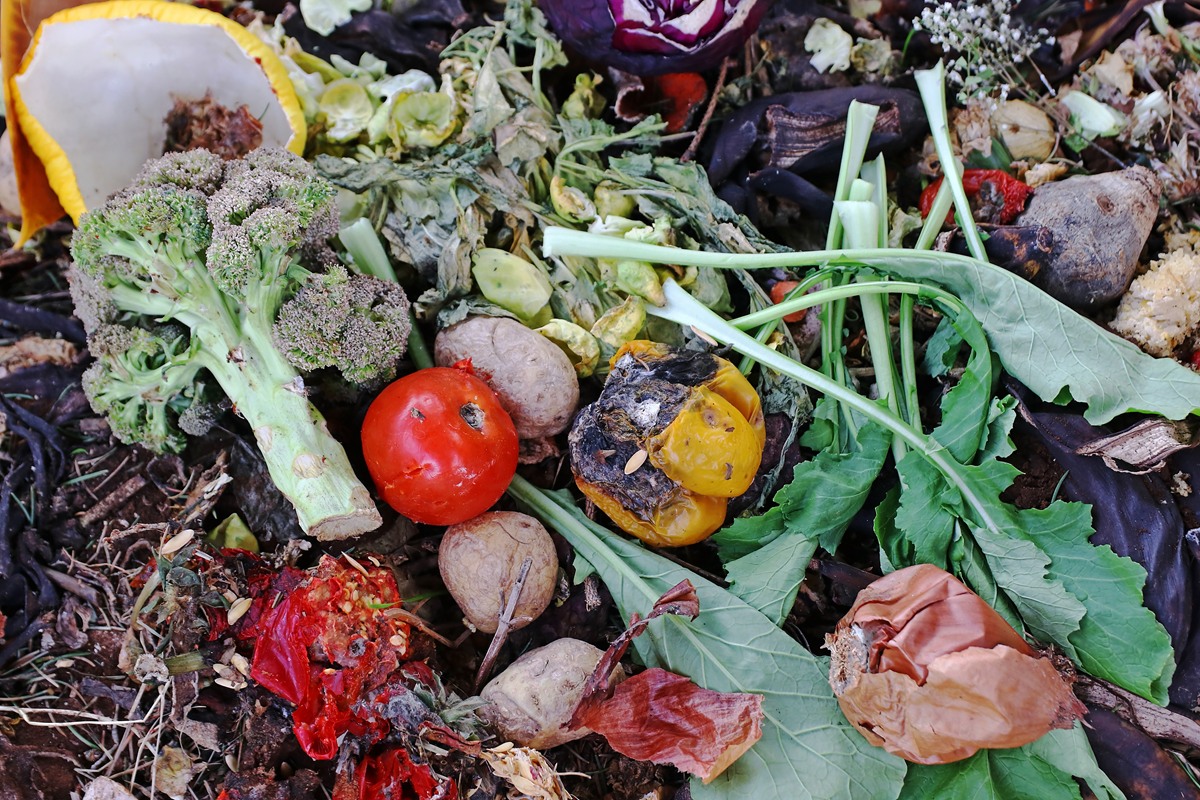
The most recent holiday estimate comes from ReFED, the food waste nonprofit, whose 2025 Thanksgiving analysis projected that 320 million pounds of food would be wasted across the United States, worth $550 million and equivalent to 267 million meals. ReFED estimated that turkey accounts for about 40 percent of that waste. Much of it is planned: in the NIQ survey ReFED drew on, more than 90 percent of Thanksgiving hosts said they intentionally prepare more food than they need, and 12 percent had no special plan for leftovers.
This year the food on the table costs more. The American Farm Bureau Federation's 2026 survey puts the average Thanksgiving dinner for 10 at $58.63, up 6 percent from a year ago, and a 16-pound frozen turkey at $23.68, up $2.38 or 10 percent from 2025. The Farm Bureau attributes the turkey increase to strong demand and tight inventories. When the single largest item in the holiday waste stream gets 10 percent dearer, every pound that goes in the bin is a costlier write-off.
The climate cost is the part that ends up in a disclosure. ReFED's 2025 analysis put the emissions associated with wasted Thanksgiving food at 811,726 metric tons of carbon dioxide equivalent, roughly the annual emissions of 190,000 gasoline vehicles, and estimated that 4,800 metric tons of methane would come from landfilled food alone. Producing the wasted food also used about 39 billion gallons of water.
Landfills are where the problem concentrates. The U.S. Environmental Protection Agency's research on methane from landfilled food waste estimates that 58 percent of the fugitive methane released from municipal solid waste landfills comes from food, even though food makes up 24 percent of the waste those landfills take in. EPA ranks municipal solid waste landfills as the third-largest source of human-caused methane in the country. For a retailer, food manufacturer or contract caterer, waste sent to landfill shows up in its scope 3 inventory under waste generated in operations, which means the holiday surge is not only an operations problem but an emissions number that auditors and investors will see.
The national trend is moving in the right direction. ReFED's 2026 U.S. Food Waste Report, published in April, found that total surplus food fell to 70 million tons in 2024, a 2.2 percent reduction from 2023 and more than 3.7 percent per person. But the decline was led by a reduction of nearly 950,000 tons in residential food waste. Businesses cannot claim that progress as their own, and a corporate target that tracks the national figure rather than its own sites will look better than its operations deserve. ReFED's president, Dana Gunders, said food waste reduction is now "recognized as a business decision with material impact on the bottom line."
The infrastructure that turns surplus into meals is expanding around businesses. On November 16, EPA Region 5 welcomed Chicago Food Rescue into its Feed It Onward network. The group collects extra food from restaurants, banquet halls and grocery stores before it is thrown away and delivers it to food banks, churches and community groups. It has rescued more than 440,000 pounds of food so far this year, which it says equals more than 360,000 meals. "At Chicago Food Rescue, we believe good food should feed people, not landfills," said founder and executive director Jake Tepperman.
Public money is following. On November 4, New York's Department of Environmental Conservation posted about $6 million in Environmental Protection Fund grants for municipalities and nonprofits. A $2 million food recovery program reimburses 75 percent of eligible costs, up to $100,000 per project, for equipment and staff that get wholesome food to people in need; food banks themselves are not eligible. A companion $4 million program for wasted food reduction and food scraps recycling offers up to $300,000 per project, with contracts starting April 1, 2027. For companies, these are the partners that will collect a store's surplus or a plant's scraps, and their capacity is being built with grant dollars.
For sustainability teams heading into the holiday, the practical steps are:
Thanksgiving concentrates a year of food-waste risk into a few days, with higher prices and a methane bill attached. Companies that measure the spike, route surplus to funded partners and report against their own baselines will have numbers that hold up; the rest will be relying on households to make their targets look better.


Guide
Methane from landfilled food sits in a company's scope 3 inventory, not at its own sites. Watershed's guide covers measuring scope 3 accurately and ranking reduction levers by impact, which is where diversion and donation earn their place.
Download

Report
A food-loss target that stops at the store gate misses what processors and growers lose upstream. Sedex looks at how leading companies move from periodic audits to continuous supplier data, the kind needed to track loss across the chain.
Download

Report
New York's food recovery and food scraps grants reimburse municipalities and nonprofits for 75 percent of eligible costs, and lean public teams carry the administration. Euna Solutions' report shows how agencies manage grants today and where technology falls short.
Download
UNEP's Emissions Gap Report 2026 says 1.5°C with no or limited overshoot is gone, and the best case is now a 1.7 to 1.8°C peak. That changes the scenario behind targets, physical risk plans and climate disclosures.
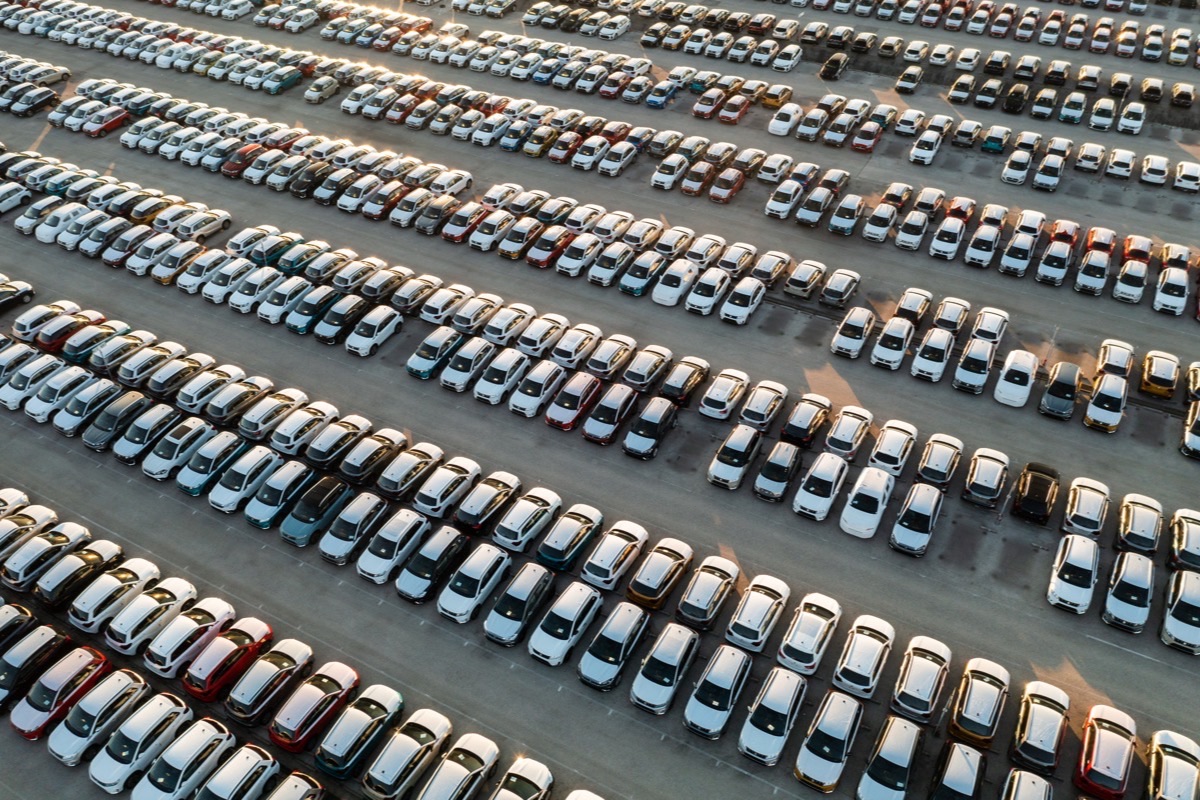
NHTSA's final rule cuts the 2031 fleet target to 34.9 mpg and projects 4.6 percent more gasoline burned through 2050. For automakers, that fuel shows up in Scope 3, which California requires them to report starting in 2027.
