Defra's new consultation would make far smaller businesses trace coffee, cocoa, cattle, soy, palm oil, rubber and timber back to the plot. But the legal test is narrower than the EU's, so companies selling into both markets will be answering two different questions about the same forests.
Key Takeaways
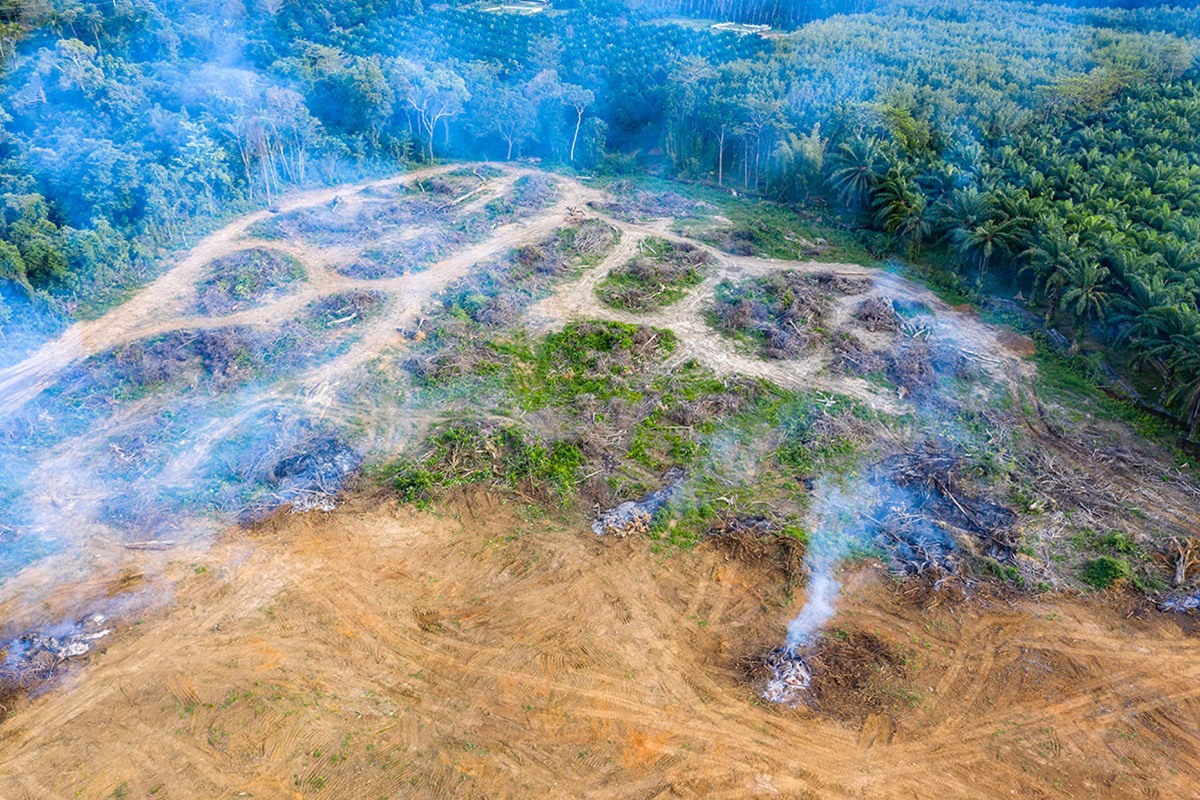
Britain has spent five years promising to clean deforestation out of its supply chains, and this week it finally put the details in front of business. The consultation that opened on November 11 does two things at once. It drops the size threshold so low that a long tail of mid-sized importers, roasters, chocolatiers and furniture makers would be caught, not just the largest groups. And it keeps a narrower legal test than the EU, asking whether forest was cleared illegally under local law rather than whether it was cleared at all. Less than seven weeks before the EU rule applies to large companies, that gap is the detail most supply chain teams need to understand.
As ESG Today reports, the proposal would require companies using key forest risk commodities to assess their supply chains and show they are not driving illegal deforestation. The commodity list of coffee, cocoa, cattle, soy, oil palm, rubber and timber matches the EU Deforestation Regulation, as do many of the mechanics: Harmonized System codes to define which products are in scope, traceability back to origin with geolocation data as evidence, and a duty to mitigate any identified risk to "a negligible level." Defra is also asking about annual reporting at different points in the supply chain and about enforcement, including monetary penalties. The consultation closes on January 17, 2027, according to LexisNexis, which describes the approach as a "legality-based framework" and notes that Defra wants evidence on costs, risks and impacts.
The government puts the problem in concrete terms. UK consumption of goods tied to internationally traded commodities is associated with roughly 29,000 hectares of deforestation worldwide every year and 9.4 million tonnes of related carbon emissions. Environment Secretary Dame Angela Eagle said British consumers "want to feel confident" that everyday goods are not driving illegal deforestation abroad, and ESG Today notes that supermarkets and other businesses had pushed for stronger regulation. The government's policy page says the rules will be made under the Environment Act 2021 alongside a strengthened UK Timber Regulation, with implementing legislation expected in 2027.
The biggest change is who is in scope. Earlier plans would have applied only to businesses with more than £50 million in global turnover. As Hill Dickinson sets out, that line has been replaced with £1 million, a fiftieth of the original figure. A specialty coffee roaster, a regional furniture retailer or a food manufacturer buying cocoa butter through a distributor could all be caught. Each would need a due diligence system, a reporting process and records proving compliance, including geolocation data for where products originated. Many of these businesses have never been asked for plot coordinates, and their own suppliers may not hold them.
The burden ultimately lands on farms. Transform Trade points out that smallholders produce more than 90 percent of the world's cocoa and 70 to 80 percent of its coffee. Under the EU's equivalent rules, it estimates that data compliance costs each cooperative about £9,500 in Africa and £13,100 in Latin America, and it cites Ethiopia, where 55 percent of coffee smallholders are not yet technically compliant with the data requirements even though most have not caused deforestation. The organisation argues that buyers should fund geolocation and training, keep non-compliant suppliers and help them fix gaps rather than drop them, and leave farmers in control of the data about their own land.
The narrower legal test is the part that will complicate compliance programs. The EU rule asks whether a product is deforestation-free, regardless of whether the clearing was lawful where it happened. The Great Britain proposal, for now, asks only whether clearing broke the producer country's laws, and ESG Today notes that it does not currently propose banning commodities that are not deforestation-free. The government says it intends to move to a deforestation-free standard in future, but has not said when.
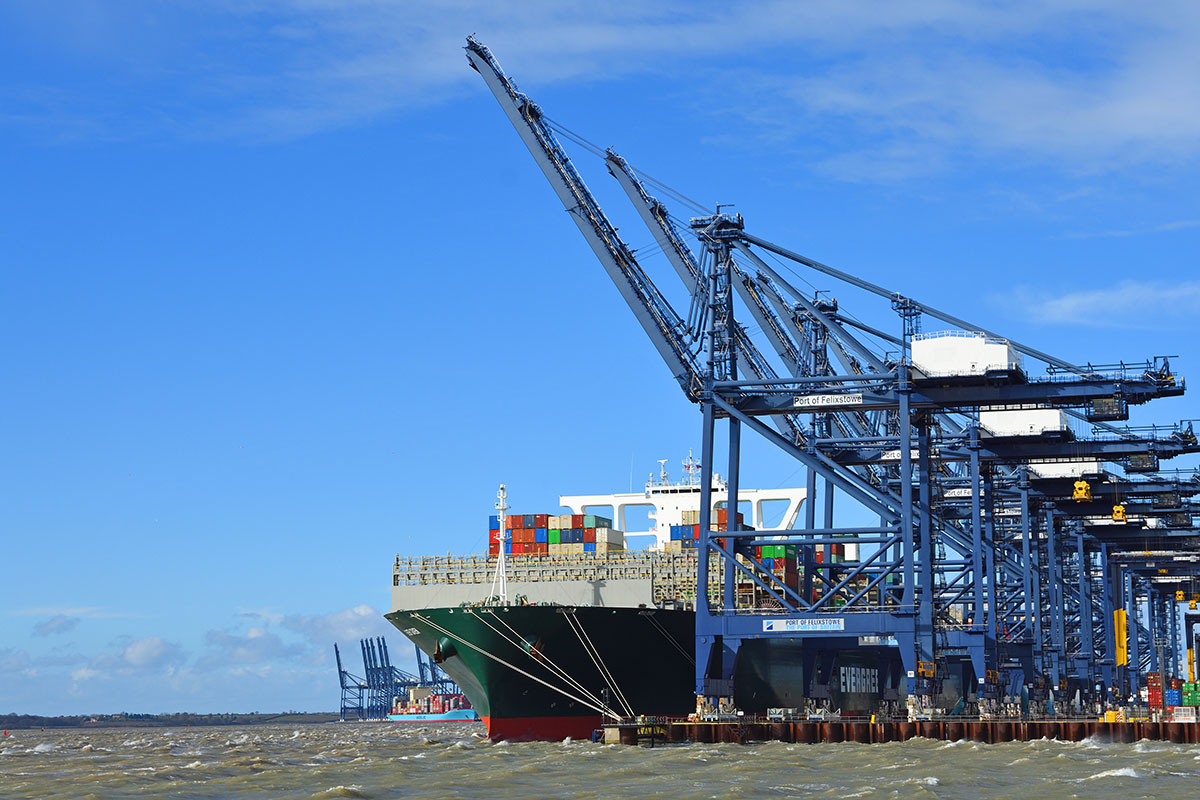
Geography adds a further layer. According to the government's policy page, the EU regulation already applies in Northern Ireland, from December 30, 2026 for large and medium operators and from June 30, 2027 for micro and small operators handling most products. Great Britain will run its own regime. The government says it wants the scope and information requirements to be broadly the same as the EU's to avoid duplicated effort, and because the UK is classed as low risk, goods produced in Great Britain and moved into the EU or Northern Ireland can use simplified due diligence. For a company that imports into Felixstowe and ships to Belfast and Rotterdam, though, the same shipment of soy or cocoa may need to clear a legality test in one market and a deforestation-free test in another.
The practical answer is to build once to the stricter standard. Hill Dickinson suggests that businesses already preparing for the EU rules may be able to reuse those systems, and that companies should review trade association standard contracts such as GAFTA and FOSFA terms and consider express compliance provisions in bespoke sale contracts. Data collected to prove a product is deforestation-free will usually also show it was legally produced. The reverse is not true.


Report
Plot-level evidence for coffee, cocoa and soy cannot come from a one-off audit. Sedex's report shows how leading companies move to continuous, data-driven supplier programs that can keep geolocation and legality records current.
Download

Guide
Defra wants deforestation risk reduced to "a negligible level," the same assess-and-mitigate logic EHS teams already run. Enhesa's guide sets out a framework for identifying and reducing risk across global operations and supply chains.
Download

Guide
Rubber is one of the seven covered commodities, and carmakers buy it through deep supplier tiers. Icertis's guide shows how automotive firms use contract intelligence to manage supplier risk, the place where traceability and audit terms will have to live.
Download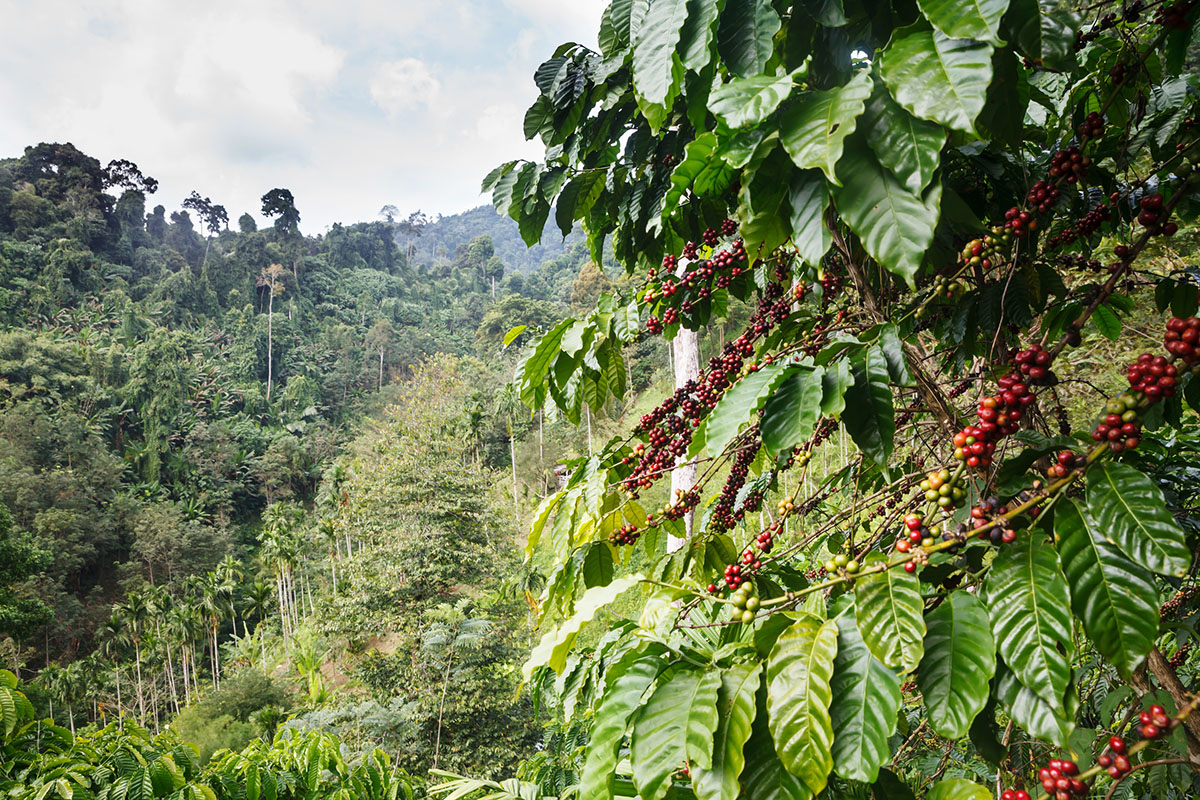
The EU Deforestation Regulation applies to large and medium companies on December 30 with no third delay. A new IISD survey finds 74 percent of producers fear stricter rules will push farmers toward less regulated markets.
Britain will require companies with more than £350 million in turnover to find and address human rights and forced labour risks in their supply chains. Few firms are directly in scope, but the obligations will travel down to suppliers through contracts.
