Negotiators in Antalya dropped a proposed agenda item on climate-related trade measures, sending the fight over the EU's carbon border levy back to a slow annual dialogue. The levy itself is already running, and the first certificates fall due in 2027.
Key Takeaways
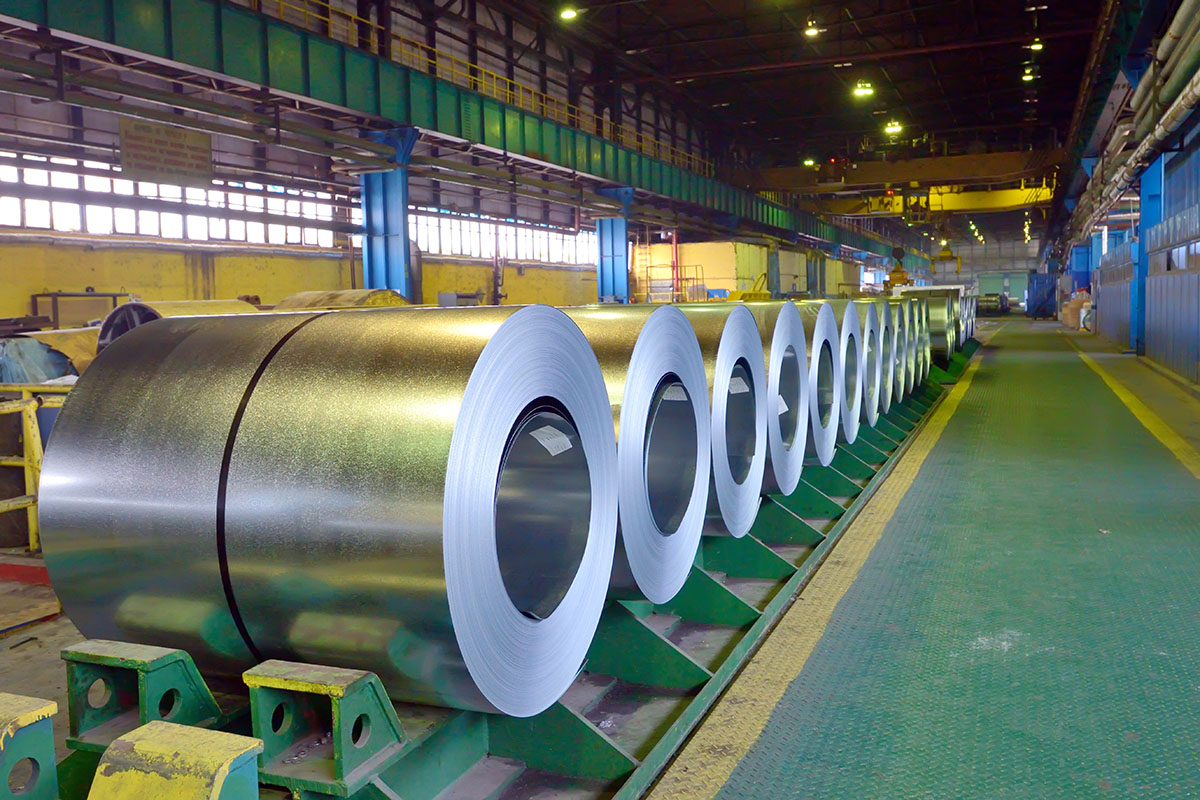
The first fight at COP31 was about what the summit would be allowed to argue about. Developing countries arrived in Antalya wanting a dedicated agenda item on climate-related trade measures, the diplomatic term for policies such as the European Union's Carbon Border Adjustment Mechanism. They did not get one. For exporters in China, India or Malaysia, that means no negotiated relief is coming out of this summit. For companies importing steel, aluminium or cement into Europe, it means the levy they are already accruing will not be softened in Antalya, and the bill for 2026 imports arrives next year.
COP31 opened on November 9 with nearly 190 countries taking part, Turkey presiding and Australia leading the negotiations, Balkan Green Energy News reported. The opening plenary adopted an agenda that included a standalone Climate Finance Work Programme, a key demand of developing countries, but dropped proposals for separate items on tripling adaptation finance and on climate-related trade measures, according to Down To Earth. The African Group had pushed for a dedicated trade item. The EU argued that the existing three-year platform on trade and climate change, which holds annual dialogues, should remain the forum, and the presidency said subsidiary body chairs would invite submissions for the next dialogue in Bonn.
The pressure behind the proposal was well signposted. Two weeks before the summit, China's vice-minister of ecology and environment, Li Gao, said COP31 should discuss "unilateralism and protectionism" in trade, Climate Home News reported. The same report noted that the first UN climate and trade dialogue, held in Bonn in June, mostly saw countries repeat existing positions, and that three annual dialogues are scheduled before COP33. Malaysia also named unilateral trade measures, including CBAM, among its priorities for Antalya. "For us, we feel that you cannot use climate change as a trade barrier," Ahmad Farid Mohamed of Malaysia's environment ministry told The Star, adding that Australia and the UK have indicated they will introduce similar tools.
None of that diplomacy pauses the mechanism. The European Commission states that CBAM has applied in its definitive regime since January 1, 2026, covering cement, iron and steel, aluminium, fertilisers, electricity and hydrogen, and that certificate prices are based on EU ETS allowance auction prices. Every tonne of covered goods imported this year is building a liability, even though no cash has changed hands yet.
The timing is what makes 2026 easy to underestimate. Certificates for 2026 imports are only purchased and surrendered from February 2027, an importer guide from CargoLinked explains. Importers above 50 tonnes a year need CBAM authorisation, and that threshold is aggregated across the calendar year rather than measured per consignment, so a run of small shipments can cross it. Emissions can be reported as actual or default values, but actual emissions must be checked by an accredited verifier, which means the quality of a supplier's own plant data now has a direct effect on what the importer pays.
The scope is also set to widen. The EU is negotiating a proposal to extend CBAM to downstream steel and aluminium goods, with a proposed application date of January 1, 2028. The first trilogue between Parliament and Council on October 20 ended without an overall agreement, CBAM Guide reported, with four issues open: a de minimis threshold for aluminium products, the treatment of metal scrap, whether goods sold through online platforms fall in scope, and default values for the new goods. The next meeting is set for November 30. Washington is watching too: the US Trade Representative requested comments on CBAM's effects on US companies, with a deadline of November 9, as Linklaters noted in its November ESG newsletter.
Down To Earth notes that trade measures of this kind can raise compliance and production costs for exporters in developing countries, especially where access to finance and low-carbon technology is unequal. In practice the cost reaches them through their buyers. The EU importer is the declarant, but the number it declares is the embedded emissions of a foreign plant. An exporter that cannot supply verified figures leaves its customer relying on default values, and a buyer comparing two mills will notice which one makes its CBAM bill smaller.
That is why keeping trade off the COP31 agenda changes little on the factory floor. The dialogue track in Bonn may eventually produce cooperation on linking carbon markets or exchanging data, two of the options Climate Home News reported are under discussion, but it runs on an annual cycle through COP33. The certificate purchases start in February. Companies on both sides of the border will have to settle who measures, who verifies and who pays long before the diplomats do.


Report
CBAM certificates are paid by the EU importer, but supply contracts decide who finally absorbs the cost. Icertis shows how contract intelligence finds border-cost exposure and enforces the clauses that allocate it before the 2027 bill lands.
Download

Guide
With the EU, the UK and Australia all moving on border carbon rules, importers need supplier information that holds up in more than one regime. Sedex walks through how its platform supports supply chain ESG obligations around the world.
Download

Guide
The embedded emissions CBAM prices are the same supplier emissions that sit in an importer's purchased goods inventory. Watershed's guide to measuring them accurately and engaging suppliers serves both the levy and the footprint.
Download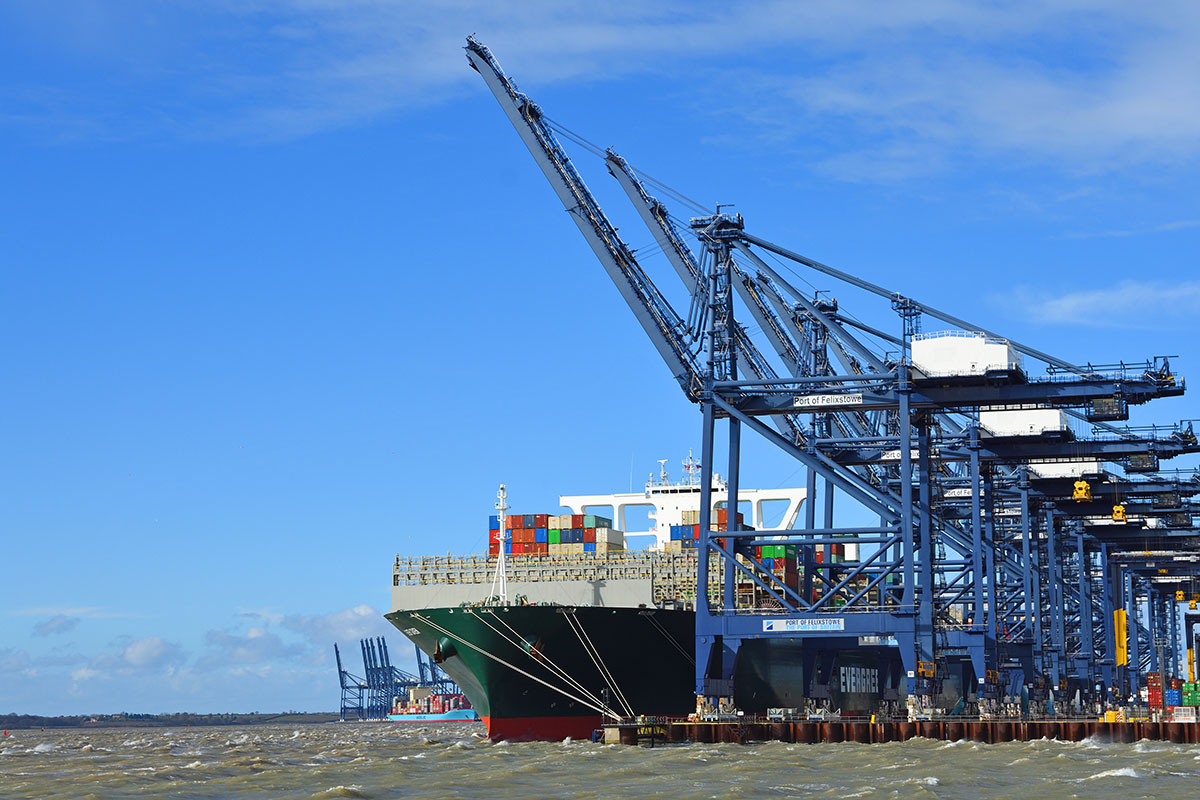
Britain will require companies with more than £350 million in turnover to find and address human rights and forced labour risks in their supply chains. Few firms are directly in scope, but the obligations will travel down to suppliers through contracts.
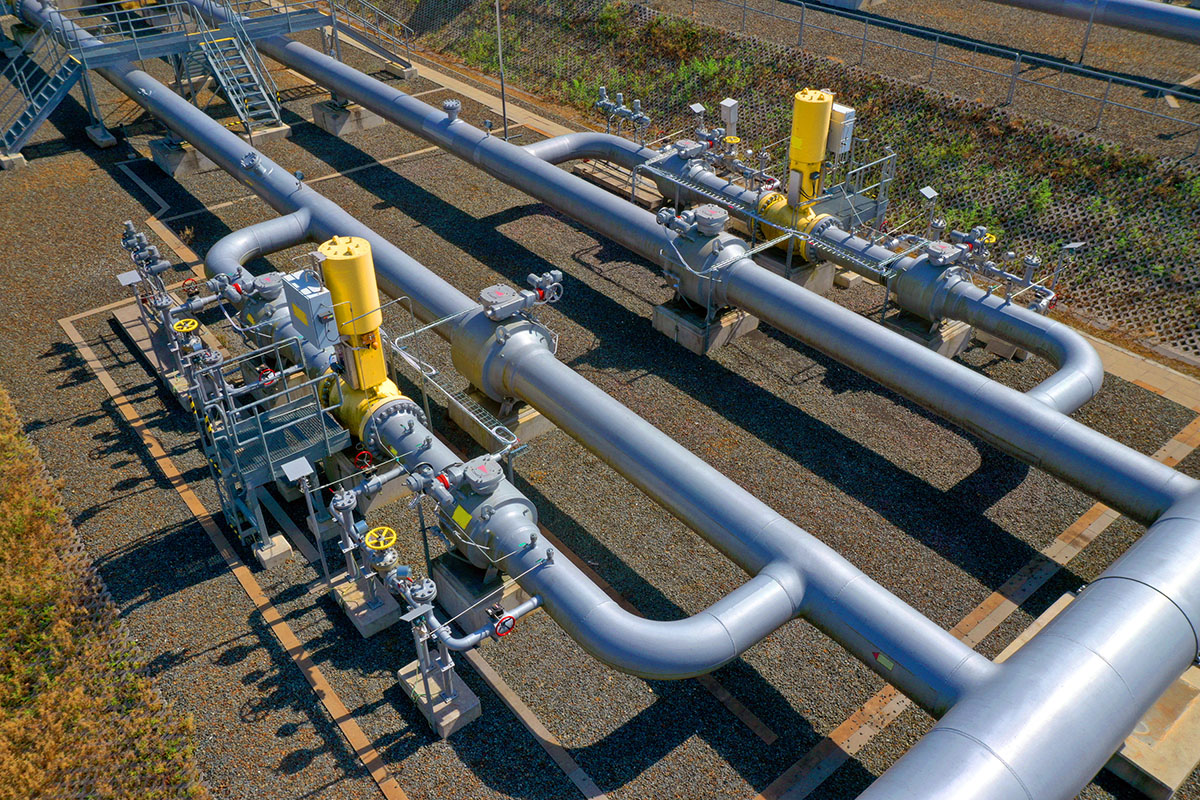
Brussels may push the January 2027 methane import deadline to 2028. The contract language that proves a supplier's emissions data has applied since August 2024, and fines can reach 20 percent of turnover.
