After years of controversy, the voluntary carbon market faces a crisis of credibility. Forward-thinking sustainability teams are building alternative net zero strategies that do not rely on offsets.

Key Takeaways
Few corners of the sustainability landscape have experienced a more dramatic collapse in reputation than the voluntary carbon market. In 2021, carbon credits were trading at prices that made the voluntary market look like a credible mechanism for channelling private capital toward emissions reduction. Today, a credit that once commanded $15 can be purchased for less than a quarter. The price collapse is not a temporary market dislocation: it reflects a fundamental breakdown of trust in the underlying asset, driven by a series of independent investigations that found systemic problems with additionality, permanence, and double counting.
The most consequential of those investigations, published jointly by The Guardian, Zeit Online, and SourceMaterial in early 2023, found that more than 90 percent of the rainforest offset credits certified by Verra, the world's largest voluntary carbon standard body, did not represent genuine carbon reductions. Verra disputed the methodology, but subsequent academic analysis by researchers at Berkley, Oxford, and the Amsterdam Institute for Metropolitan and International Development Studies largely corroborated the core finding. Verra has since overhauled its REDD+ methodology, but the reputational damage to the broader offset market has proven lasting.
Despite the credibility crisis, the voluntary carbon market has not collapsed entirely. A segment of companies continues to purchase credits, primarily for two reasons: they have made public net zero commitments that they cannot meet through operational reductions alone, and they have not yet built the internal systems or supplier relationships needed to drive meaningful Scope 3 reductions. For these companies, offsets function less as a climate solution and more as a communications tool, a way to maintain the appearance of progress while the harder structural work is deferred. Investors and proxy advisors are increasingly aware of this dynamic, and the scrutiny is intensifying.
A separate, smaller group is purchasing high-quality carbon removal credits, specifically engineered solutions such as direct air capture, enhanced weathering, and biochar, at prices that reflect genuine scarcity and genuine climate benefit. These credits trade at $200 to $600 per tonne, and the companies buying them are generally doing so to address truly residual emissions they cannot eliminate through any available operational pathway. This is a defensible and increasingly respected use of the market, but it requires a fundamentally different procurement approach than the cheap offset purchases that defined the market at its peak.
"The way we think about it now is that a carbon credit is only legitimate if it represents something we genuinely could not have done ourselves. That means high-quality removal, not avoidance, and only after we have exhausted every internal reduction pathway. That is a completely different philosophy from buying cheap forestry credits to claim carbon neutrality on a product that still has a massive supply chain footprint."
James Thornton, Chief Sustainability Officer, Intertek Group
The companies that have most credibly stepped back from offset dependency share a common strategic framework. Rather than purchasing credits to bridge the gap between current emissions and a target, they have restructured their approach around the mitigation hierarchy: reduce first, substitute where possible, innovate where neither is yet available, and use verified removal only as a last resort for genuinely residual emissions. Concretely, this translates into a set of capital allocation and procurement decisions:
The implications for sustainability strategy teams are significant. The era of cheap offsets as a tactical shortcut is over, and companies that built their net zero claims on that foundation now face a difficult choice: either rebuild their strategy around genuine reductions or continue purchasing low-quality credits and accept the growing reputational and regulatory risk that comes with it. The SEC's climate disclosure rules, by requiring companies to describe the role of carbon offsets in their net zero plans with specific detail about credit type, registry, and vintage, will make that choice visible to investors for the first time at scale.

With the deadline approaching fast, we analyzed sustainability commitments across 500 major corporations and found a widening gap between ambition and action. Only 14 percent have credible, audited pathways to meet their stated goals.
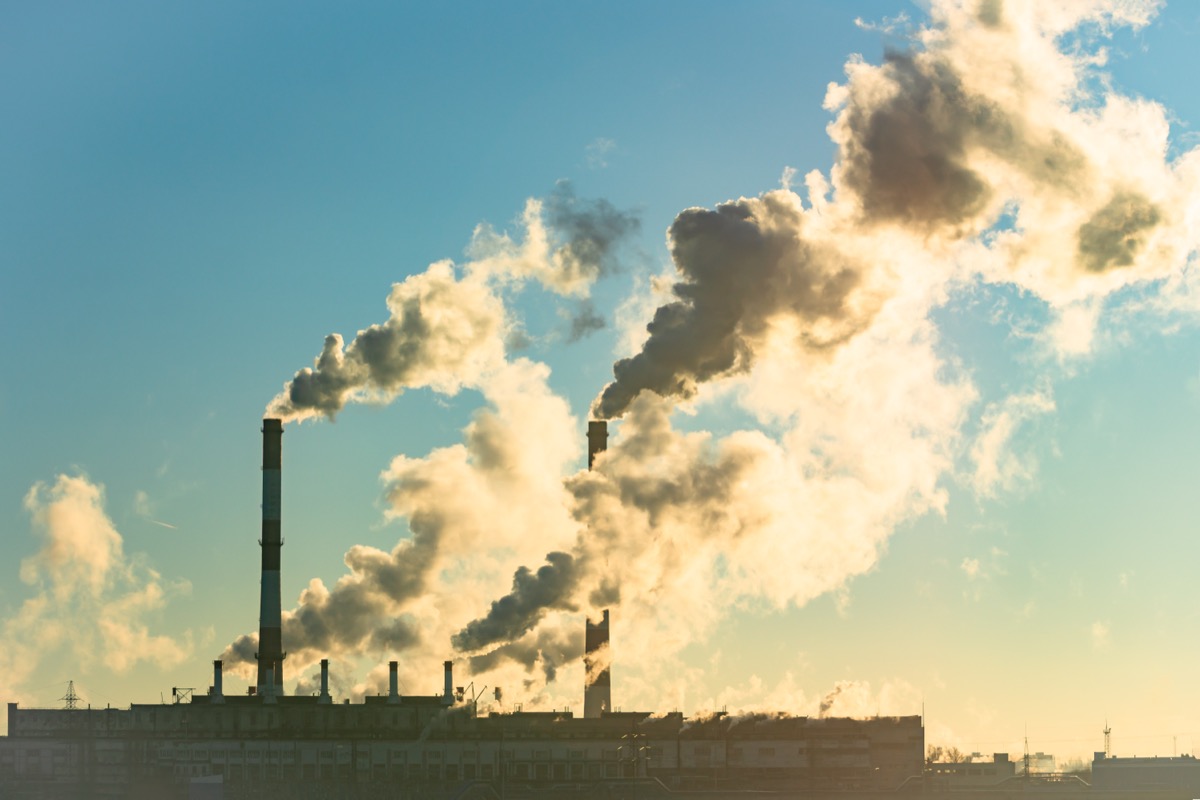
Most companies still struggle to account for Scope 3 emissions, yet regulators and investors are demanding more transparency than ever before. The organisations closing that gap are building a durable competitive advantage.
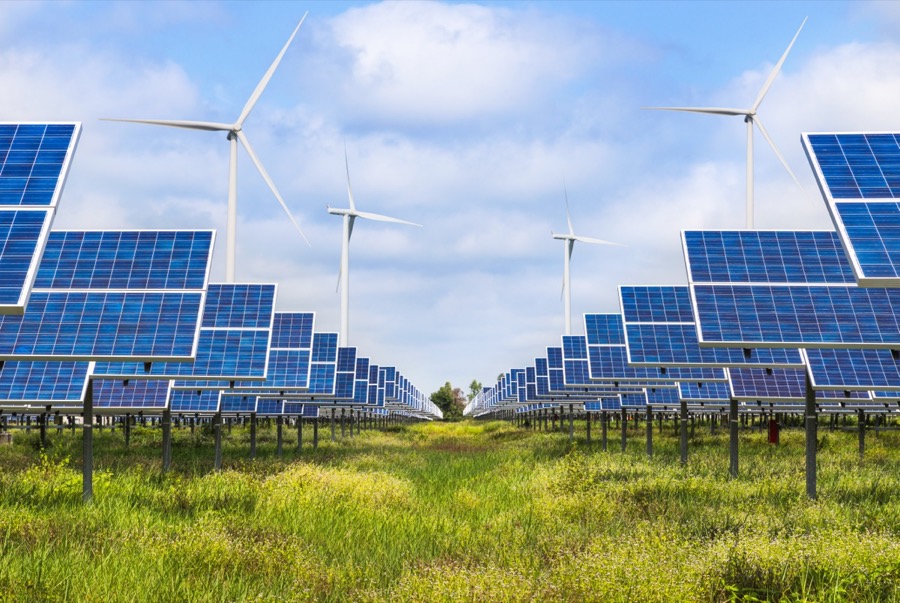
A new class of financial instruments is emerging to fund the decarbonisation of steel, cement, shipping, and aviation. We examine who is issuing them, who is buying them, and whether the market is developing fast enough.
